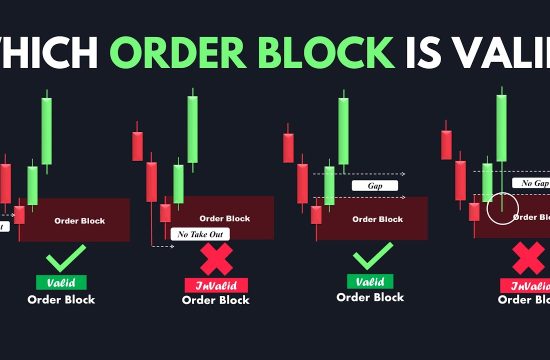
Bitcoin advanced trading tips focus on optimizing your trading strategies to enhance profitability and manage risks effectively. Key techniques include leveraging technical analysis, understanding market sentiment, utilizing stop-loss orders, and diversifying your portfolio.
Understanding the dynamic nature of Bitcoin trading is crucial for advanced traders. The cryptocurrency market is characterized by rapid price movements and high volatility, which necessitate a solid grasp of trading fundamentals and an ability to adapt strategies in real-time. Mistakes such as emotional trading, neglecting risk management, and failing to analyze market trends can lead to significant losses.
Many traders underestimate the importance of a well-defined trading plan. This includes setting clear entry and exit points, risk tolerance levels, and profit targets. Without a structured approach, traders may find themselves making impulsive decisions that can jeopardize their investments.


Leveraging Technical Analysis
Technical analysis is a critical tool for advanced Bitcoin traders. It involves analyzing price charts and using indicators to predict future price movements. By identifying patterns such as support and resistance levels, traders can make informed decisions about when to enter or exit trades.
Many traders rely heavily on indicators like moving averages, RSI, and MACD to inform their strategies. However, it’s essential to understand that no indicator is foolproof. Traders should combine technical analysis with other tools and market research to enhance their decision-making.
Common pitfalls in technical analysis include over-reliance on indicators without considering broader market conditions. Traders should prioritize a holistic view that considers news events, market sentiment, and potential regulatory changes alongside technical signals.
Understanding Market Sentiment
Market sentiment refers to the overall attitude of investors toward Bitcoin and can significantly influence price movements. Advanced traders must gauge sentiment through news analysis, social media trends, and market reports.
Tools like sentiment analysis platforms can provide insights into how traders are feeling about Bitcoin. Understanding whether the market is bullish or bearish can help traders position themselves accordingly. However, it’s vital to remain cautious, as sentiment can shift rapidly based on external factors.
One common mistake is failing to adapt to changing sentiment. Traders should regularly reassess their positions and be willing to pivot their strategies as new information emerges. This adaptability is key to maintaining an edge in the market.
Utilizing Stop-Loss Orders
Stop-loss orders are essential for managing risk in Bitcoin trading. By setting predetermined exit points, traders can protect their capital from significant losses. This strategy is especially important in the volatile cryptocurrency market.
Advanced traders often use trailing stop-loss orders to lock in profits while allowing for continued upside potential. However, setting stop-loss levels too tight can result in premature exits, while levels that are too loose can expose traders to larger losses.
It’s crucial to regularly review and adjust stop-loss orders based on market conditions and trading strategies. Traders should prioritize risk management and ensure their stop-loss settings align with their overall trading plan.
Diversifying Your Portfolio
Diversification is a fundamental principle for managing risk in any investment portfolio, including Bitcoin. By spreading investments across various cryptocurrencies or related assets, traders can mitigate the impact of volatility in any single asset.
Advanced traders often explore altcoins or blockchain projects that complement their Bitcoin holdings. However, diversification should be strategic; investing in too many assets can lead to dilution of focus and resources.
Traders should regularly evaluate their portfolios to ensure they align with their risk tolerance and market outlook. Keeping abreast of emerging trends can provide opportunities for diversification that enhance overall portfolio performance.
Further Reading
Authoritative Sources
- Investopedia
investopedia.comA comprehensive resource for understanding trading strategies, including advanced Bitcoin trading techniques
- CoinDesk
coindesk.comProvides news and analysis on the cryptocurrency market, helping traders stay informed about market sentiment
- Binance Academy
binance.comOffers educational resources on trading strategies, including risk management and technical analysis
Frequently Asked Questions
What are the best technical indicators for Bitcoin trading?
Popular indicators include moving averages, Relative Strength Index (RSI), and MACD, which help traders identify trends and potential entry/exit points.
How can I manage risk effectively in Bitcoin trading?
Utilizing stop-loss orders, diversifying your portfolio, and setting clear risk tolerance levels are essential strategies for managing risk.
What is market sentiment and why is it important?
Market sentiment reflects the overall mood of investors towards Bitcoin, influencing price movements and trading decisions.
How often should I review my trading strategy?
Regular reviews should occur after significant market events or changes in your trading performance to ensure your strategy remains effective.
Is it necessary to diversify my cryptocurrency investments?
Diversification can reduce risk by spreading investments across different assets, but it should be done thoughtfully to maintain focus.
Conclusion
In summary, mastering Bitcoin advanced trading tips requires a blend of technical analysis, market sentiment awareness, effective risk management, and strategic diversification. Traders should prioritize creating a structured trading plan and continuously adapt to market changes. By implementing these strategies, you can enhance your trading outcomes and navigate the complexities of the cryptocurrency market with greater confidence.
Related Content
- Fine-Tune Your Bitcoin Trading Profits
- Perfect Smart Money Concept Entry! #shorts #forex #trading #tradingsetup #tradingsystem
- Bitcoin, Ethereum Technical Analysis: BTC Consolidates to Start the Weekend
- Bitcoin, Ethereum Technical Analysis: BTC, ETH Consolidate Following Week of Intense Volatility
- Bitcoin Price Predictions: Expert Insights