Day trading Bitcoin involves executing multiple trades within a single day to profit from short-term price movements. Traders aim to capitalize on volatility by buying low and selling high, often leveraging technical analysis and market indicators.
Understanding market volatility is crucial for day traders. Bitcoin’s price can fluctuate significantly within short periods, creating opportunities for profit but also increasing risks. Traders should focus on developing a robust trading plan that includes specific entry and exit points, stop-loss orders to manage risk, and a clear understanding of market indicators that signal potential price movements.
A common mistake among novice day traders is failing to manage their emotions during trading sessions. The rapid nature of day trading can lead to impulsive decisions based on fear or greed. Establishing a disciplined approach, including sticking to your trading plan and setting realistic profit targets, can help mitigate emotional trading pitfalls.


Understanding Market Trends
Recognizing market trends is fundamental for day trading Bitcoin effectively. Traders must analyze price movements and identify patterns that indicate potential future performance. This can involve using various charting techniques and indicators to determine whether Bitcoin is in an uptrend, downtrend, or consolidating.
Monitoring news and global events that impact Bitcoin prices is also vital. Factors such as regulatory changes, technological advancements, or macroeconomic conditions can significantly influence market sentiment. A smart trader stays informed and adjusts their strategies accordingly, ensuring they are not caught off guard by sudden market shifts.
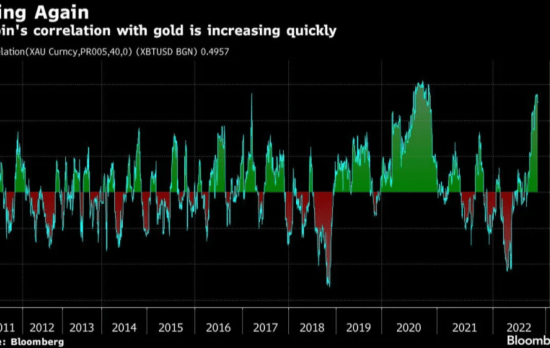
Additionally, understanding the correlation between Bitcoin and other financial markets can provide insights into potential price movements. For instance, shifts in traditional stock markets or commodity prices may affect Bitcoin’s value. Being aware of these dynamics allows traders to make more informed decisions and anticipate market reactions.
Technical Analysis Tools
Utilizing technical analysis tools is essential for day traders looking to capitalize on short-term price movements. Tools such as moving averages, Relative Strength Index (RSI), and Bollinger Bands help traders identify entry and exit points based on historical price data.
Traders often rely on candlestick patterns to gauge market sentiment. Recognizing patterns like doji, hammer, and engulfing candles can provide insights into potential reversals or continuations in price trends. Combining these patterns with volume analysis can enhance decision-making accuracy.
Moreover, employing trading platforms that offer real-time data and advanced charting capabilities can significantly improve trading effectiveness. Many platforms also provide customizable alerts for price movements, ensuring that traders can react promptly to market changes.
Risk Management Strategies
Effective risk management is paramount in day trading to protect capital and ensure long-term success. Setting stop-loss orders for each trade limits potential losses and helps maintain a disciplined trading approach. This way, traders can exit positions automatically if the market moves against them.
Additionally, determining an appropriate risk-reward ratio is crucial. Many experienced traders recommend a minimum ratio of 1:2, meaning for every dollar risked, the potential reward should be at least two dollars. Adhering to this principle helps traders avoid high-risk trades that can jeopardize their capital.
Furthermore, diversifying trading strategies can mitigate risks. Instead of relying solely on one method, incorporating various approaches allows traders to adapt to changing market conditions and reduce the impact of losses from any single strategy.
Common Mistakes to Avoid
Many novice day traders fall victim to common pitfalls that can undermine their trading success. One of the most significant mistakes is overtrading, which can lead to increased transaction costs and emotional burnout. Setting strict trading limits can help prevent this issue.
Another frequent error is neglecting to conduct thorough research before executing trades. Traders should avoid making impulsive decisions based on emotions or hype. Instead, they should rely on data-driven analysis and maintain a clear trading plan.
Additionally, failing to adapt to changing market conditions can be detrimental. Successful day traders continuously evaluate their strategies and adjust them based on market performance and emerging trends.
Further Reading
Authoritative Sources
- Day Trading Explained
investopedia.comA comprehensive overview of day trading principles, strategies, and risks
- What is Day Trading?
coindesk.comA detailed guide on day trading specifically for cryptocurrencies, including Bitcoin
- Bitcoin Day Trading Tips
cnbc.comValuable insights and strategies from experienced traders on day trading Bitcoin
Frequently Asked Questions
What is day trading Bitcoin?
Day trading Bitcoin involves buying and selling the cryptocurrency within a single day to profit from short-term price fluctuations.
What are the risks of day trading Bitcoin?
The primary risks include high volatility, potential for significant losses, emotional decision-making, and transaction costs.
How do I start day trading Bitcoin?
Begin by researching Bitcoin, selecting a reliable trading platform, developing a trading plan, and practicing with a demo account.
What tools do day traders use?
Day traders commonly use technical analysis tools, trading platforms with real-time data, and charting software to make informed decisions.
How much capital do I need to day trade Bitcoin?
The amount of capital required varies, but starting with at least $1,000 is common to accommodate trading fees and manage risks.
Conclusion
In conclusion, successful day trading Bitcoin hinges on understanding market trends, utilizing effective technical analysis tools, and implementing robust risk management strategies. By avoiding common pitfalls and maintaining a disciplined approach, traders can enhance their chances of profitability. Prioritize continuous learning and adaptation to market changes, as this will be crucial for long-term success in the dynamic world of cryptocurrency trading.
Related Content
- Mystery Transfer — Unidentified Wallet Sends $1.19 Million in Bitcoin to Satoshi Nakamoto’s Genesis Address
- Bitcoin Now Up Over 110% This Year In Anticipation of Spot ETF Approval And Halving
- Bitcoin Long Term Trading: Strategies for Sustainable Profit Growth
- Crypto Alert: Urgent Update!
- Crypto Alert: There is No Other Choice. Act Now!