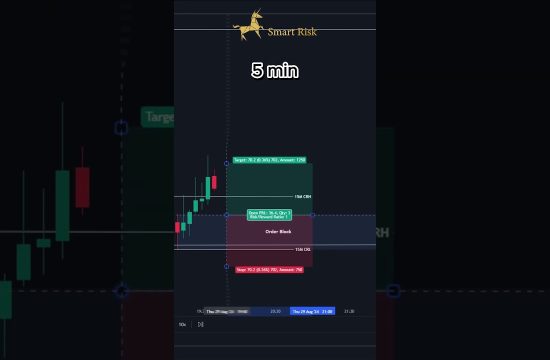
Bitcoin market depth trading involves analyzing the order book to understand the supply and demand dynamics of the cryptocurrency market. The market depth chart displays the number of buy and sell orders at various price levels, providing insights into potential price movements.
Understanding market depth is crucial for effective trading. A deeper understanding of the order book can reveal areas of strong support and resistance, which can influence price movements. Traders often use this information to gauge market sentiment, identify potential price reversals, and execute trades at more favorable prices. However, relying solely on market depth can be misleading if traders fail to consider other factors such as market news, liquidity, and volatility.
Many traders overlook the importance of order book analysis, focusing instead on price charts or technical indicators. This oversight can lead to missed opportunities or poor trade execution. It’s essential to prioritize understanding market depth alongside other analysis methods to enhance trading performance. Additionally, recognizing the limitations of market depth, such as potential manipulation and low liquidity in certain conditions, is vital for making sound trading decisions.


What Is Market Depth?
Market depth refers to the market’s ability to sustain relatively large market orders without impacting the price of the cryptocurrency significantly. It is represented by the order book, which lists all buy and sell orders at various price levels. A deeper market, characterized by a larger number of orders at different prices, indicates higher liquidity, making it easier for traders to execute their trades without substantial price fluctuations.
Traders should pay attention to the depth of the market when making their trading decisions. A shallow market with few orders may lead to higher volatility, as large orders can significantly affect the price. Conversely, a deep market can provide more stability and predictability, allowing traders to place larger orders with reduced risk of slippage. Understanding the nuances of market depth can help traders identify optimal trading opportunities.
One common misconception is that a higher number of orders always indicates a healthier market. However, traders must consider the quality of these orders—such as their size and distribution—alongside their quantity. Prioritizing understanding the true market depth can help traders avoid potential pitfalls and make more informed decisions.
How to Analyze Market Depth
Analyzing market depth involves examining the order book to understand the buying and selling pressure at various price levels. Traders can use tools and platforms that provide real-time data on market depth, displaying the volume of buy and sell orders. This information can be visualized through depth charts, which graphically represent the order book and help traders identify key support and resistance levels.
To effectively analyze market depth, traders should look for significant imbalances between buy and sell orders. A large number of buy orders at a specific price level may indicate strong support, while a significant number of sell orders may suggest resistance. Utilizing this information, traders can make strategic decisions about when to enter or exit trades based on anticipated price movements.
Moreover, traders often make the mistake of ignoring changes in market depth in response to news events or market sentiment shifts. It is crucial to stay aware of external factors that can influence market depth and adjust trading strategies accordingly. By integrating market depth analysis with broader market trends, traders can enhance their decision-making process.
Common Mistakes in Market Depth Trading
One of the most frequent mistakes traders make in market depth trading is placing too much emphasis on the order book without considering other market indicators. While the order book provides valuable insights, it is essential to incorporate technical analysis, market news, and sentiment indicators to gain a comprehensive view of the market.
Another common error is failing to recognize the potential for market manipulation, especially in less liquid markets. Large players can place significant orders to create the illusion of market depth, misleading smaller traders. Being aware of these tactics and diversifying analysis methods can help traders avoid falling victim to false signals.
Moreover, many traders overlook the importance of timing. Market depth can change rapidly, and orders can be filled or canceled at any moment. It is vital for traders to stay vigilant and ready to adapt their strategies based on real-time market conditions. Prioritizing a holistic approach to trading can mitigate these risks and improve overall outcomes.
Strategies for Successful Trading
Successful bitcoin market depth trading requires a combination of technical skills and strategic planning. One effective strategy is to use limit orders to enter the market at specific price points, taking advantage of market depth insights. By placing limit orders just above support levels or below resistance levels, traders can optimize their entry and exit points.
Additionally, traders can utilize market depth to gauge potential price movements and set stop-loss orders accordingly. Understanding where significant buy or sell walls exist can help traders protect themselves from sudden market shifts. Furthermore, employing a trailing stop-loss can allow traders to lock in profits while providing flexibility in volatile conditions.
Ultimately, successful market depth trading hinges on continuous learning and adaptation. Traders should regularly review their strategies and results, seeking to understand what works best in different market conditions. By prioritizing strategic planning and remaining adaptable, traders can enhance their market depth trading performance.
Further Reading
Authoritative Sources
- Market Depth Explained
investopedia.comThis resource provides a detailed explanation of market depth and how it affects trading decisions
- Understanding the Order Book
binance.comA comprehensive guide on reading and interpreting the order book on Binance
- What Is Market Depth in Crypto Trading?
coindesk.comThis article discusses market depth in the context of cryptocurrency trading
Frequently Asked Questions
What is market depth in trading?
Market depth represents the market’s ability to handle buy and sell orders at various price levels without significantly affecting the price.
How can I analyze market depth effectively?
To analyze market depth effectively, utilize tools that provide real-time order book data and look for imbalances between buy and sell orders.
What are common mistakes in market depth trading?
Common mistakes include relying solely on the order book, ignoring market manipulation, and not adjusting strategies based on real-time conditions.
What strategies can enhance market depth trading?
Using limit orders, setting stop-loss orders based on market depth, and employing trailing stop-losses can enhance trading strategies.
How does liquidity affect market depth?
Higher liquidity typically results in a deeper market, making it easier to execute trades without significant price changes.
Conclusion
In summary, bitcoin market depth trading is a vital aspect of cryptocurrency trading that involves understanding the order book and its implications for market movements. Traders should prioritize analyzing market depth alongside other trading indicators to make informed decisions. By avoiding common mistakes and employing effective strategies, traders can enhance their trading performance and navigate the complexities of the cryptocurrency market successfully. Continuous learning and adaptation are essential for achieving long-term success in this dynamic environment.