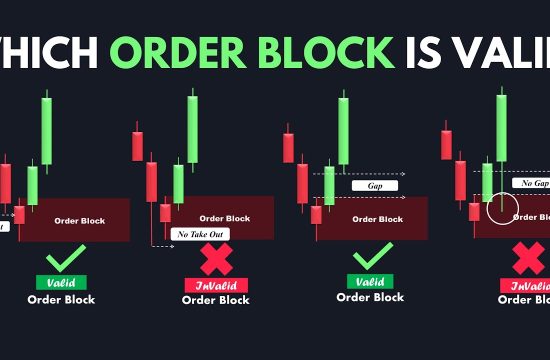
Crypto investment trading tips focus on avoiding common pitfalls and developing a strategic approach to trading. Key mistakes include overtrading, neglecting research, and failing to set clear goals.
Investing in cryptocurrencies can be highly lucrative, but it also comes with significant risks. Many new traders fall into traps due to a lack of preparation and understanding of the market. It’s crucial to prioritize research, stay informed about market trends, and take a disciplined approach to trading. This means setting clear goals and sticking to a well-defined trading plan, which can help mitigate emotional decision-making that often leads to losses.
Another common mistake is underestimating the importance of risk management. Effective traders recognize that losses are part of the game and implement strategies to protect their capital. This includes setting stop-loss orders, diversifying their portfolios, and not investing more than they can afford to lose. By developing a mindset focused on long-term success rather than quick profits, traders can navigate the complexities of the crypto market more effectively.


Understanding Market Volatility
Market volatility is a defining feature of cryptocurrency trading, characterized by rapid price fluctuations. Understanding this volatility is essential for making informed trading decisions. Traders who grasp the factors driving price movements—such as news events, regulatory changes, and market sentiment—can better anticipate potential trends and avoid hasty decisions that could lead to losses.
To navigate volatility effectively, it’s important to develop a keen sense of market trends and signals. Utilizing technical analysis tools and keeping abreast of industry news can provide insights into potential price movements. However, relying solely on short-term market signals can be risky; traders should also consider long-term trends to make more informed decisions.
New traders often panic during market dips, leading to impulsive selling. By maintaining a disciplined approach and adhering to a strategic trading plan, traders can avoid emotional reactions and make decisions based on analysis rather than fear.
The Role of Research in Trading
Conducting thorough research is critical to successful crypto trading. Traders should not only understand the technologies behind cryptocurrencies but also analyze market conditions and competitor performances. This knowledge enables traders to make informed decisions rather than relying on speculation or hearsay.
Research can encompass various aspects, including fundamental analysis of a cryptocurrency’s technology, team, and use case, as well as market sentiment analysis. Utilizing resources such as whitepapers, industry reports, and reputable news sources can provide valuable insights. Additionally, engaging with community forums and social media can help traders gauge public sentiment and emerging trends.
Common pitfalls include failing to verify information or relying on unverified sources. Traders should develop a systematic approach to research that prioritizes credible information, allowing them to make well-informed decisions that align with their trading strategies.
Setting Realistic Goals
Establishing realistic and achievable trading goals is a fundamental aspect of successful crypto investment. Goals should be specific, measurable, attainable, relevant, and time-bound (SMART). This approach helps traders maintain focus and motivation while also providing a framework for evaluating performance.
Traders often fall into the trap of setting overly ambitious goals, which can lead to disappointment and hasty decisions. Instead, it’s advisable to set incremental goals that allow for gradual progress. For instance, a trader might aim for a specific percentage increase in their portfolio over a defined period rather than an unrealistic target.
Moreover, tracking progress against these goals can provide insights into trading performance and highlight areas for improvement. Regularly reviewing and adjusting goals based on market conditions and personal performance can foster a more adaptive trading strategy.
Risk Management Techniques
Effective risk management is paramount in crypto trading, where potential losses can be significant. Traders should develop a comprehensive risk management strategy that includes setting stop-loss orders to limit losses on trades, diversifying their portfolios to reduce exposure to individual assets, and only investing capital they can afford to lose.
Another crucial aspect of risk management is position sizing, which determines how much capital to allocate to each trade based on the trader’s overall portfolio size and risk tolerance. By carefully managing position sizes, traders can mitigate the impact of losses and protect their capital over the long term.
Many traders underestimate the importance of emotional discipline in risk management. Sticking to a predetermined risk management plan, even in volatile conditions, can prevent impulsive decisions that lead to significant losses. Developing a mindset focused on long-term success and adhering to risk management principles can greatly enhance trading outcomes.
Further Reading
For those looking to deepen their understanding of crypto trading, consider exploring the following resources:
Authoritative Sources
- Investopedia on Cryptocurrency
investopedia.comComprehensive resource for understanding cryptocurrency fundamentals and trading strategies
Frequently Asked Questions
What are the most common mistakes in crypto trading?
Common mistakes include overtrading, neglecting research, and failing to set clear goals.
How important is market research in trading?
Market research is essential as it informs trading decisions and helps traders understand market dynamics.
What is the best strategy for risk management?
The best strategy involves setting stop-loss orders and diversifying investments to mitigate potential losses.
How can I set realistic trading goals?
Set SMART goals—specific, measurable, attainable, relevant, and time-bound—to maintain focus and motivation.
What is position sizing in trading?
Position sizing determines how much capital to allocate to each trade, helping to manage risk effectively.
Conclusion
In conclusion, successful crypto investment trading requires a strategic approach grounded in research, realistic goal-setting, and effective risk management. By avoiding common mistakes and focusing on long-term strategies, traders can enhance their performance in this volatile market. Prioritizing education and disciplined trading practices will not only protect capital but also lead to more sustainable success in crypto trading.