Learning bitcoin trading involves understanding market dynamics, technical analysis, and risk management strategies to make informed trading decisions. By focusing on these essential techniques, traders can effectively navigate the complexities of the cryptocurrency market and enhance their investment potential.
To succeed in bitcoin trading, it’s crucial to grasp the core principles behind price movements, market trends, and trading indicators. Many new traders overlook the importance of technical analysis, which can provide insights into market behavior and help predict future price movements. Additionally, understanding how to manage risk is vital; failure to do so can lead to significant losses.
Common mistakes among beginners include overtrading, neglecting to set stop-loss orders, and allowing emotions to dictate decisions. Prioritizing a disciplined approach and developing a solid trading plan can help mitigate these risks. Recognizing the volatile nature of the cryptocurrency market is also essential, as it affects timing and strategy.

Understanding Market Dynamics
Grasping market dynamics is crucial for effective bitcoin trading. This involves recognizing how various factors, such as news events, regulatory changes, and market sentiment, can influence price movements. A trader must stay informed about global developments that may impact the cryptocurrency landscape.
For instance, major announcements related to Bitcoin or cryptocurrency regulations can lead to significant price fluctuations. Traders should monitor reputable news sources and utilize social media platforms to gauge market sentiment. By understanding these dynamics, traders can better anticipate market movements and make informed decisions.
Moreover, analyzing historical price data can provide insights into recurring patterns, helping traders identify potential entry and exit points. A focus on both macro and microeconomic factors can enhance a trader’s ability to predict price movements accurately.
Technical Analysis Techniques
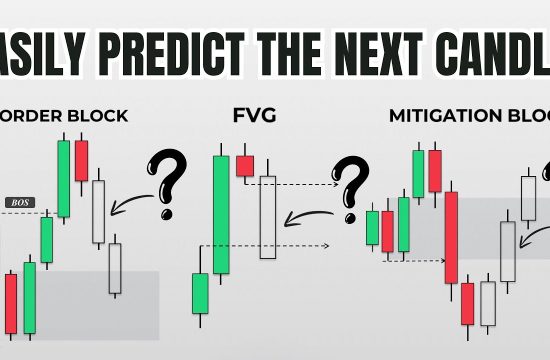
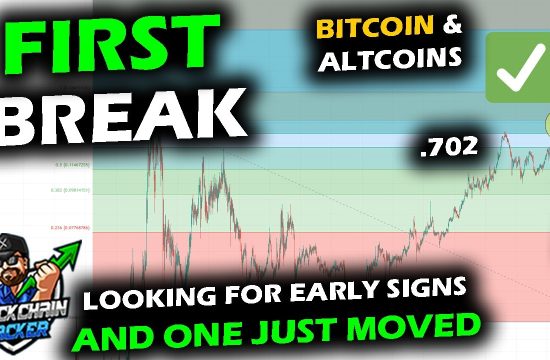
Technical analysis is a critical component of successful bitcoin trading. It involves studying price charts and using various indicators to forecast future price movements. Commonly used tools include moving averages, Relative Strength Index (RSI), and Bollinger Bands.
Moving averages help identify trends by smoothing out price fluctuations, while the RSI indicates whether an asset is overbought or oversold. Bollinger Bands provide context for price volatility, allowing traders to gauge when an asset may be poised for a breakout or reversal.
It’s essential to combine multiple indicators to confirm trading signals. Relying on a single indicator can lead to false conclusions. Traders should also practice backtesting their strategies on historical data to assess their effectiveness before applying them in live trading scenarios.
Risk Management Strategies
Implementing robust risk management strategies is vital for long-term success in bitcoin trading. This includes setting appropriate stop-loss orders to limit potential losses and diversifying investments across different cryptocurrencies.
Traders should determine their risk tolerance and adjust their position sizes accordingly. A common rule is to risk no more than 1-2% of the total trading capital on a single trade. This approach helps protect the trading account from substantial losses and allows for continued participation in the market.
Additionally, regularly reviewing and adjusting risk management strategies based on changing market conditions can enhance overall trading performance. Staying disciplined and adhering to a well-defined risk management plan is crucial for maintaining capital over time.
Common Pitfalls to Avoid
New traders often fall into common pitfalls that can jeopardize their trading success. One major mistake is overtrading, which can lead to unnecessary losses and increased transaction fees. It’s crucial to focus on quality trades rather than quantity.
Another frequent error is neglecting to perform thorough research before making trades. Traders should avoid making impulsive decisions based on emotions or market hype. Instead, developing a systematic approach based on research and analysis can lead to better outcomes.
Finally, failing to adapt to changing market conditions can hinder a trader’s ability to capitalize on opportunities. Regularly reassessing strategies and being flexible in approach can help traders navigate the volatile cryptocurrency landscape more effectively.
Further Reading
Authoritative Sources
- Bitcoin Overview
investopedia.comThis resource provides a comprehensive overview of Bitcoin, including its history, technology, and market behavior
- CoinDesk
coindesk.comCoinDesk offers news, analysis, and insights into the cryptocurrency market, helping traders stay informed
- Binance Trading Strategies
binance.comBinance provides various trading strategies and resources for traders looking to enhance their skills
Frequently Asked Questions
What is bitcoin trading?
Bitcoin trading involves buying and selling Bitcoin to profit from its price fluctuations in the market.
How can I start learning bitcoin trading?
Start by researching the fundamentals of Bitcoin, market dynamics, and technical analysis. Consider using demo accounts to practice without risking real money.
What are the risks associated with bitcoin trading?
The main risks include market volatility, potential losses, and emotional decision-making. Implementing risk management strategies can help mitigate these risks.
How do I choose a bitcoin exchange?
Look for exchanges with a good reputation, security features, low fees, and a user-friendly interface. Check for available trading pairs and withdrawal options as well.
What is a stop-loss order?
A stop-loss order is an instruction to sell an asset when it reaches a specified price, helping limit potential losses on a trade.
Conclusion
In conclusion, learning bitcoin trading requires a solid understanding of market dynamics, technical analysis, and effective risk management strategies. By focusing on these aspects, traders can enhance their decision-making and improve their chances of success. It’s essential to continuously educate oneself, adapt to market changes, and avoid common pitfalls. Prioritizing disciplined trading and thorough research can lead to a more rewarding trading experience in the ever-evolving cryptocurrency landscape.
Related Content
- Ethereum Market Outlook: Will Consolidation Break Give Bulls the Upper Hand?
- Bitcoin Cash Trading Insights: Key Factors for Successful Transactions
- How to Withdraw Crypto from Crypto.com to Another Wallet or Exchange
- Crypto Market Value Falls to $2.42T as Derivatives Traders Face $443M in Losses
- Crypto Trend Analysis: Key Indicators and Market Signals for Informed Decision-Making