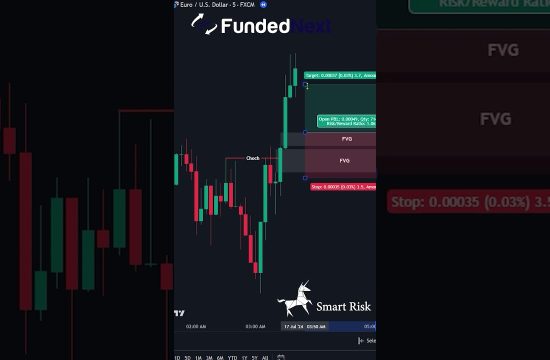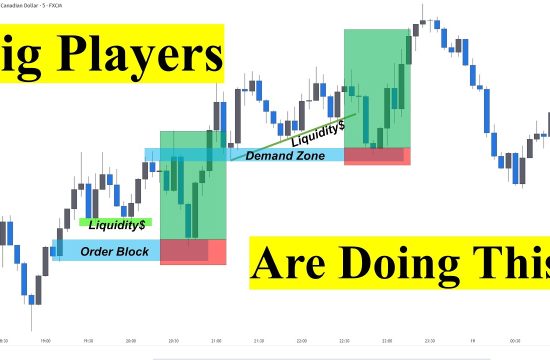
Traders often analyze momentum to identify potential buying or selling opportunities. Key indicators such as moving averages, the Relative Strength Index (RSI), and volume trends are commonly used in momentum trading strategies.
In the context of Bitcoin, momentum trading focuses on the speed and direction of price changes. When momentum is strong, it often indicates a continuing trend, whether upward or downward. Traders must recognize that momentum can shift rapidly, influenced by market news, investor sentiment, and macroeconomic factors. Therefore, a solid grasp of these elements is crucial for navigating the Bitcoin trading landscape effectively.
One common mistake among traders is to rely solely on price movements without considering underlying market indicators. For instance, a rapid price increase can sometimes signal overbought conditions, indicating a potential reversal. Conversely, a sudden drop might reflect panic selling rather than a fundamental shift in market value. Recognizing these nuances helps traders avoid missteps and make more strategic decisions.


Key Indicators of Bitcoin Trading Momentum
Key indicators play a vital role in assessing Bitcoin trading momentum. Moving averages, for example, smooth out price data to identify trends over specific periods. A commonly used approach is the 50-day and 200-day moving averages; when the short-term average crosses above the long-term average, it signals bullish momentum, while the opposite indicates bearish momentum.
Moreover, the Relative Strength Index (RSI) is another significant tool. This momentum oscillator measures the speed and change of price movements, helping traders identify overbought or oversold conditions. An RSI above 70 suggests an overbought market, while an RSI below 30 indicates oversold conditions. Utilizing these indicators effectively can enhance a trader’s ability to predict price movements and make timely decisions.
It’s important to note that no single indicator is foolproof. Traders often combine multiple indicators to create a more comprehensive analysis. For instance, using RSI in conjunction with moving averages can provide a clearer picture of momentum and enhance decision-making. Understanding how these indicators interact can lead to improved trading outcomes.
Common Mistakes in Momentum Trading
Many traders make critical mistakes when evaluating momentum in Bitcoin trading. One common error is failing to account for market volatility. The crypto market is notorious for its rapid price swings, which can mislead traders relying on short-term indicators alone. Ignoring broader market trends can lead to poor timing in entry and exit points.
Another frequent pitfall involves overconfidence in bullish signals. Traders may become overly optimistic after a price surge, neglecting to consider potential corrections. This overconfidence can result in significant losses if the market reverses unexpectedly. A balanced approach—recognizing both bullish and bearish signals—is crucial for sustainable trading success.
Additionally, emotional trading can cloud judgment. Decisions driven by fear or greed often lead to impulsive actions that deviate from a well-defined trading strategy. Maintaining discipline and adhering to a trading plan are vital components of effective momentum trading.
Strategies for Utilizing Momentum
To effectively leverage momentum in Bitcoin trading, traders should adopt a systematic approach. One of the most effective strategies involves trend following, where traders identify and align their positions with the prevailing market trend. This strategy often includes entering trades when momentum indicators signal a strong trend.
Moreover, employing stop-loss orders can help mitigate risks. By setting predefined exit points, traders can protect their capital against unexpected market reversals. This practice is essential in the volatile crypto landscape where price swings can occur rapidly.
Additionally, backtesting trading strategies against historical data can provide valuable insights into their effectiveness. By analyzing past performance, traders can refine their approaches and develop a deeper understanding of how different indicators behave under various market conditions. This analytical process can enhance confidence and improve decision-making when trading with momentum.
The Role of News and Market Sentiment
News events and market sentiment significantly impact Bitcoin trading momentum. Positive news, such as institutional adoption or regulatory advancements, can drive prices upward, creating bullish momentum. Conversely, negative news can trigger panic selling, leading to bearish momentum.
Traders must stay informed about relevant news and developments that may influence market behavior. Monitoring social media, financial news outlets, and crypto forums can provide insights into market sentiment and emerging trends. Understanding the interplay between news and momentum can help traders anticipate price movements and adjust their strategies accordingly.
Moreover, sentiment analysis tools can assist traders in gauging market psychology. By assessing the overall sentiment towards Bitcoin, traders can better understand potential price movements and align their trading strategies with prevailing market conditions.
Further Reading
Authoritative Sources
- Momentum Trading Explained
investopedia.comThis resource provides a comprehensive overview of momentum trading strategies and principles
- What is Bitcoin?
coindesk.comThis article covers the fundamentals of Bitcoin, essential for understanding its market dynamics
- Understanding Moving Averages
binance.comA detailed explanation of moving averages and their application in trading strategies
- TradingView: Charting and Analysis
tradingview.comA platform offering advanced charting tools essential for analyzing momentum
Frequently Asked Questions
What is bitcoin trading momentum?
Bitcoin trading momentum refers to the rate of price change and the strength of price movements in the Bitcoin market, helping traders identify potential buying or selling opportunities.
How can I measure momentum in Bitcoin trading?
Momentum can be measured using indicators like moving averages, the Relative Strength Index (RSI), and volume trends to assess market conditions.
What are common mistakes in momentum trading?
Common mistakes include ignoring market volatility, overconfidence in bullish signals, and emotional trading, which can lead to poor decision-making.
What strategies can I use for momentum trading?
Effective strategies include trend following, using stop-loss orders to mitigate risks, and backtesting strategies against historical data.
How does news affect bitcoin trading momentum?
News events and market sentiment significantly impact Bitcoin prices, with positive developments often driving bullish momentum and negative news leading to bearish trends.
Conclusion
In summary, understanding Bitcoin trading momentum is crucial for making informed trading decisions. By analyzing key indicators, avoiding common mistakes, and employing effective strategies, traders can enhance their ability to navigate the volatile Bitcoin market. Staying informed about news and market sentiment further strengthens trading strategies, allowing for more strategic entry and exit points. Ultimately, a disciplined and informed approach to momentum trading can lead to improved trading outcomes and long-term success.