To effectively navigate the volatile world of cryptocurrency, mastering bitcoin trading strategies is essential. These strategies help traders minimize risks and maximize profits by understanding market trends, technical analysis, and risk management techniques. Prioritizing education and discipline in trading practices is crucial for success.
Many traders enter the market with unrealistic expectations, often driven by the fear of missing out (FOMO). This leads to common mistakes such as impulsive buying or selling without a clear strategy. A disciplined approach, grounded in research and analysis, is critical to avoid these pitfalls. It’s not just about making trades; it’s about making informed decisions that align with a well-thought-out trading plan.


Understanding Market Trends
Recognizing market trends is a foundational element of successful bitcoin trading strategies. Trends can be upward (bullish), downward (bearish), or sideways (neutral). Understanding these trends allows traders to make informed decisions about when to enter or exit positions. Many novice traders overlook the significance of market sentiment, which can often drive price movements.
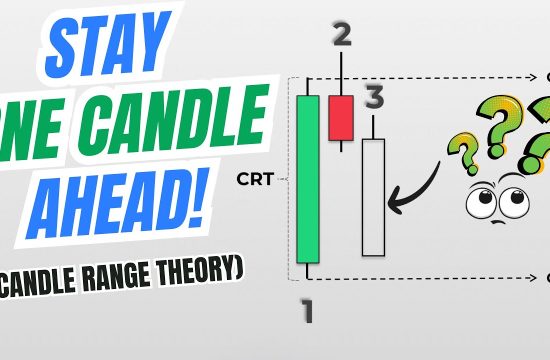
Failing to recognize trend reversals can lead to significant losses. A smart trader should prioritize staying updated on market news and utilizing tools that help identify trend changes. Additionally, recognizing patterns in price movements can provide critical insights into potential future performance.
Technical Analysis Fundamentals
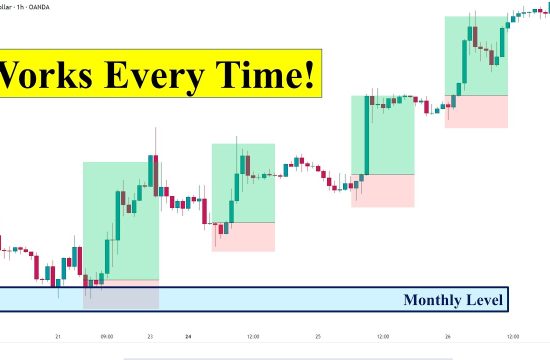
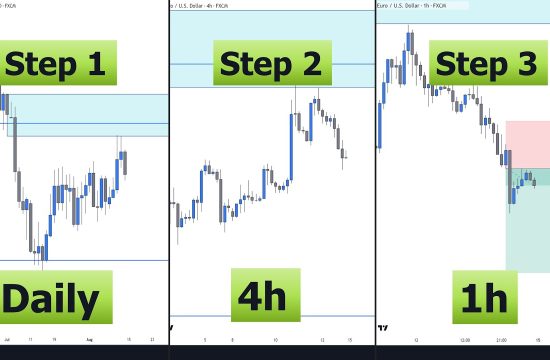
Technical analysis is a key component of bitcoin trading strategies, involving the study of historical price data to forecast future price movements. This analysis utilizes charts and various indicators such as moving averages, Relative Strength Index (RSI), and Fibonacci retracement levels to gauge market momentum and identify potential entry and exit points.
While technical analysis can provide valuable insights, it is essential to understand its limitations. Over-reliance on technical indicators without considering external market factors can lead to misguided decisions. Traders should balance technical analysis with fundamental analysis, which examines the underlying factors affecting bitcoin’s value.
Risk Management Techniques
Effective risk management is crucial for sustaining long-term success in bitcoin trading. This involves setting clear stop-loss orders to limit potential losses and diversifying your portfolio to mitigate risk from market volatility. Traders should also determine their risk tolerance and only invest what they can afford to lose.
Many traders neglect risk management, which can result in devastating financial consequences. Establishing a well-defined trading plan that includes risk management strategies is essential. This plan should be adaptable, allowing traders to respond to changing market conditions while maintaining their risk thresholds.
Common Trading Mistakes to Avoid
Even seasoned traders can fall victim to common mistakes that jeopardize their trading success. These include emotional trading, neglecting to conduct thorough research, and failing to stick to a trading plan. Emotional decisions often lead to impulsive trades that deviate from a well-thought-out strategy.
To avoid these pitfalls, traders should cultivate discipline and patience. Keeping a trading journal can help track decisions and outcomes, providing valuable insights into personal trading behavior. By learning from past mistakes, traders can refine their strategies and improve their decision-making processes.
Frequently Asked Questions
What are the best strategies for bitcoin trading?
The best strategies include trend following, swing trading, and scalping, each catering to different trading styles and risk tolerances.
How can I minimize risks in bitcoin trading?
Minimize risks by setting stop-loss orders, diversifying your portfolio, and only investing what you can afford to lose.
Is technical analysis necessary for bitcoin trading?
While not mandatory, technical analysis can significantly enhance your trading decisions by helping identify potential price movements.
What mistakes should I avoid when trading bitcoin?
Avoid emotional trading, neglecting research, and deviating from your trading plan to improve your chances of success.
How do I stay updated on bitcoin market trends?
Stay informed by following credible financial news sources, engaging with trading communities, and using market analysis tools.
Conclusion
In conclusion, mastering bitcoin trading strategies requires a blend of market understanding, technical analysis, and disciplined risk management. Prioritize continuous learning and adapt your strategies based on market conditions to enhance your trading success. Remember, a thoughtful and informed approach is key to navigating the complexities of the cryptocurrency market effectively.