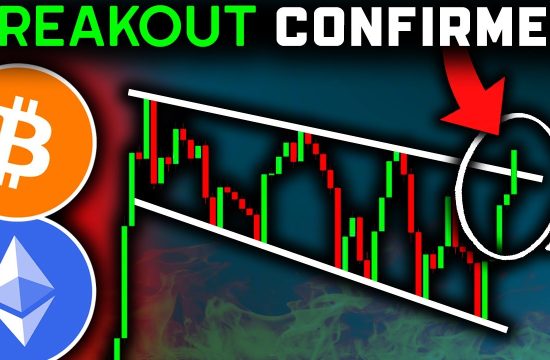
Crypto swing trading involves capturing price swings in the crypto market over a short period, typically from a few days to several weeks. To succeed, traders should focus on technical analysis, manage risk effectively, and remain aware of market volatility.
Understanding the importance of technical indicators is crucial. Traders often rely on tools like moving averages and RSI to identify entry and exit points. Recognizing that each indicator has its strengths and weaknesses is essential; for instance, lagging indicators may not provide timely signals during volatile market conditions. Prioritizing a combination of indicators can enhance decision-making.
A common pitfall in swing trading is overtrading, which can lead to unnecessary losses. Traders should set clear entry and exit strategies based on their analysis and stick to them. Additionally, emotional trading can cloud judgment. Establishing a trading plan helps mitigate impulsive decisions and encourages disciplined trading.

Understanding Market Trends
Identifying market trends is fundamental to successful swing trading. Traders must analyze whether the market is in an uptrend, downtrend, or sideways movement. Recognizing these patterns allows traders to align their strategies accordingly. For example, in a bullish market, buying on dips could yield profitable opportunities.
Many traders fail to recognize that trends can change rapidly, especially in the volatile crypto market. It’s essential to remain adaptable and reassess market conditions regularly. Utilizing trend lines and channels can also aid in visualizing price movements and potential reversal points.
Furthermore, understanding the impact of external factors, such as news releases or regulatory changes, can inform traders about potential shifts in market sentiment. Staying informed helps in making timely decisions that can capitalize on emerging trends.
Essential Technical Indicators
Technical indicators are vital tools in swing trading. Indicators like Moving Averages (MA), Relative Strength Index (RSI), and Bollinger Bands provide insights into price movements and market momentum. For instance, MAs help identify potential support and resistance levels, while RSI signals overbought or oversold conditions.
However, relying solely on one indicator can lead to misleading conclusions. A comprehensive approach that incorporates multiple indicators can enhance trading strategies. Combining trend indicators with momentum indicators often yields better results. For example, using an MA crossover alongside RSI can help confirm entry points.
Additionally, understanding the limitations of these indicators is crucial. In highly volatile markets, false signals are common. Traders should validate their strategies through backtesting and consider using stop-loss orders to manage potential risks effectively.
Risk Management Strategies
Effective risk management is a cornerstone of successful swing trading. Traders should determine their risk tolerance and establish a risk-reward ratio for each trade. A common strategy is to aim for a minimum of 2:1 reward-to-risk ratio, ensuring that potential gains justify the risks taken.
Implementing stop-loss orders is essential to protect against unexpected market movements. Setting stop-loss levels based on technical analysis, such as below key support levels, can help minimize losses. Additionally, diversifying trades across different cryptocurrencies can reduce overall risk exposure.
Moreover, traders should regularly review their performance and adjust their risk management strategies accordingly. Keeping a trading journal to track trades, strategies, and outcomes can provide invaluable insights for future trades, helping to refine risk management practices.
Common Mistakes to Avoid
Many traders fall victim to common mistakes that hinder their success in swing trading. One of the primary mistakes is overtrading, driven by the fear of missing out (FOMO). Setting clear entry and exit points can help prevent impulsive trades based on emotions.
Another mistake is neglecting to utilize stop-loss orders. Traders often believe they can manually exit a trade at the right time, but market conditions can change rapidly. Automating exit strategies through stop-loss orders can safeguard against significant losses.
Additionally, failing to adapt to changing market conditions can lead to missed opportunities. Traders should regularly reassess their strategies and be prepared to pivot when necessary. Being overly rigid can result in losses when market dynamics shift.
Further Reading
Authoritative Sources
- Investopedia
investopedia.comA comprehensive resource for understanding trading concepts and strategies
- CoinDesk
coindesk.comOffers up-to-date news and analysis on cryptocurrency markets
- TradingView
tradingview.comA popular platform for charting and technical analysis tools
Frequently Asked Questions
What is the best time frame for swing trading in crypto?
Typically, swing traders utilize time frames ranging from 4 hours to daily charts to capture significant price movements.
How much capital do I need to start swing trading?
While there’s no set amount, starting with at least $1,000 can provide enough capital to manage risk effectively and cover trading fees.
Is swing trading suitable for beginners?
Yes, swing trading can be suitable for beginners as it allows for more manageable time commitments compared to day trading.
What are the risks associated with swing trading?
Risks include market volatility, emotional trading, and potential losses due to miscalculating entry or exit points.
How can I improve my swing trading strategies?
Improving strategies involves continuous learning, backtesting trades, and adjusting techniques based on performance analysis.
Conclusion
In conclusion, mastering crypto swing trading requires a solid understanding of market trends, effective use of technical indicators, and a strong risk management strategy. Avoiding common pitfalls, such as overtrading and neglecting stop-loss orders, is essential for long-term success. By continually refining your approach and learning from experiences, you can enhance your trading performance and navigate the complexities of the crypto market more effectively.
Related Content
- Bybit Copy Trading Tutorial (Step-by-Step Guide)
- What’s Next for Chainlink? Detailed LINK Elliott Wave Price Analysis and Price Prediction
- Coinbase Base Tutorial (Bridge ETH to Base, MetaMask etc)
- BITCOIN JUST FLIPPED AFTER FED RATE CUT!!! Bitcoin News Today & Ethereum Price Prediction!
- Bitcoin, Ethereum Technical Analysis: BTC, ETH Rebound on Saturday, as Markets Consolidate Following Recent Decline