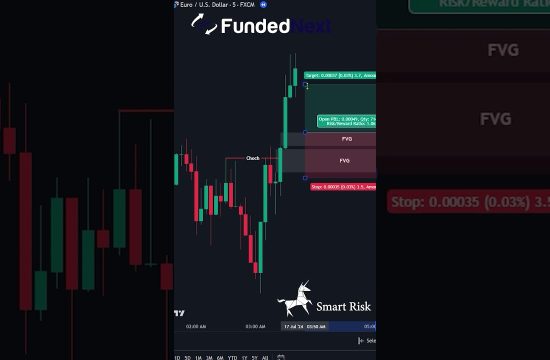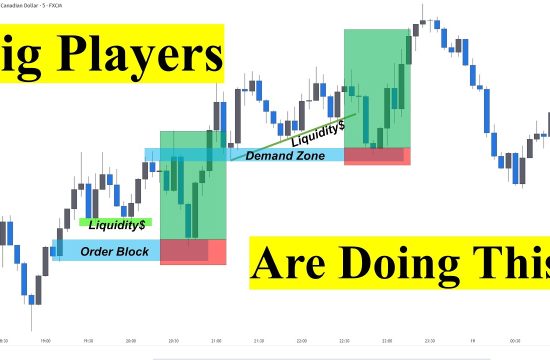
This form of trading is particularly appealing due to the high volatility inherent in cryptocurrencies, which can lead to significant profit opportunities for skilled traders. Understanding the mechanisms behind price fluctuations is crucial for successfully navigating this landscape.
Effective crypto volatility trading requires a solid grasp of market dynamics, including factors that drive price changes, such as news events, market sentiment, and technological developments. Traders must also be aware of their risk tolerance and develop a disciplined approach to trading, as emotional decision-making can lead to costly mistakes. Prioritizing risk management strategies, such as stop-loss orders, can help mitigate potential losses during unpredictable market swings.
A common mistake among novice traders is underestimating the impact of market psychology on price movements. Sentiment can shift rapidly, causing prices to spike or plummet without warning. Therefore, it is essential for traders to stay informed and adjust their strategies accordingly. This includes keeping abreast of market news, understanding chart patterns, and utilizing technical indicators to make informed decisions.


Understanding Market Volatility
Market volatility is a measure of how much the price of an asset fluctuates over a given period. In the context of cryptocurrencies, volatility is often extreme, driven by factors such as regulatory news, technological advancements, and broader market trends. Traders must understand these dynamics to effectively capitalize on price swings.
For instance, significant news events can lead to rapid price changes, making it essential for traders to react quickly. Understanding the underlying causes of these price movements allows traders to make informed decisions about when to enter or exit trades. Additionally, recognizing patterns in past volatility can provide insights into future price behavior.
Traders should also consider the impact of external factors, such as macroeconomic indicators and geopolitical events, on market volatility. These elements can influence investor sentiment and lead to rapid price changes, emphasizing the need for a comprehensive understanding of the market landscape.
Techniques for Successful Trading
Successful crypto volatility trading often involves a combination of technical analysis and strategic planning. Traders utilize various tools, such as candlestick charts and moving averages, to identify potential entry and exit points. These techniques help traders anticipate price movements based on historical data.
One effective approach is the use of trading strategies like scalping or swing trading. Scalping involves making quick trades to profit from small price changes, while swing trading focuses on capturing larger price movements over several days. Both methods require a solid understanding of market trends and the ability to act swiftly.
Moreover, traders should continuously analyze their performance and adapt their strategies based on market conditions. Keeping a trading journal can help track progress and identify areas for improvement, ensuring a disciplined approach to volatility trading.
Risk Management Strategies
Implementing robust risk management strategies is crucial for success in crypto volatility trading. Given the inherent risks associated with cryptocurrency markets, traders must prioritize the protection of their capital. One common technique is setting stop-loss orders, which automatically sell an asset when it reaches a specified price, limiting potential losses.
Additionally, diversifying a trading portfolio can help mitigate risks. By spreading investments across different cryptocurrencies, traders reduce their exposure to the volatility of any single asset. This approach allows for a more balanced risk profile and can enhance overall returns.
Traders should also consider their position sizing carefully. Allocating only a small percentage of their capital to each trade can help minimize losses while allowing for potential gains. This disciplined approach is vital for long-term success in the unpredictable world of crypto trading.
Common Pitfalls in Volatility Trading
Despite the potential for significant profits, many traders fall victim to common pitfalls in crypto volatility trading. One major issue is overtrading, which occurs when traders make excessive trades in an attempt to capitalize on every price movement. This behavior can lead to increased transaction costs and emotional burnout.
Another frequent mistake is failing to adapt to changing market conditions. Traders who cling to outdated strategies may miss out on new opportunities or incur unnecessary losses. Staying flexible and willing to modify approaches based on market dynamics is essential for success.
Lastly, emotional decision-making can derail trading success. Traders must develop discipline and stick to their strategies, avoiding impulsive actions driven by fear or greed. Utilizing automated trading tools can help mitigate emotional influences and promote a more systematic trading approach.
Further Reading
Authoritative Sources
- Investopedia
investopedia.comClear explanations of investing, finance, markets, and personal money decisions.
- SEC Investor Resources
sec.govOfficial investor education and securities-related guidance from the U.S. Securities and Exchange Commission.
- Internal Revenue Service
irs.govOfficial tax guidance, forms, and compliance information.
- Consumer Financial Protection Bureau
consumerfinance.govConsumer guidance on credit, debt, lending, and financial products.
- U.S. Small Business Administration
sba.govBusiness planning, funding, and operational guidance for small businesses.
Frequently Asked Questions
What is crypto volatility trading?
Crypto volatility trading involves strategies aimed at profiting from the rapid price fluctuations in cryptocurrency markets.
How do I manage risks in crypto trading?
Implementing stop-loss orders, diversifying your portfolio, and careful position sizing are effective risk management strategies.
What techniques can I use for successful trading?
Utilizing technical analysis, scalping, and swing trading are common techniques to capitalize on market volatility.
What common mistakes should I avoid?
Avoid overtrading, failing to adapt to market changes, and making emotional decisions that can lead to losses.
How can I improve my trading performance?
Keeping a trading journal, analyzing your strategies, and staying informed about market trends can significantly enhance your trading performance.
Conclusion
In conclusion, successful crypto volatility trading requires a deep understanding of market dynamics, effective strategies, and strong risk management practices. By focusing on disciplined trading, staying informed, and avoiding common pitfalls, traders can navigate the complexities of the cryptocurrency market. Prioritizing education and continuous improvement will empower traders to make informed decisions and enhance their trading outcomes.