Crypto trading methods encompass various strategies and techniques that traders use to buy and sell cryptocurrencies effectively. These methods include day trading, swing trading, and arbitrage, each with its own risk profile and potential for profit.
When considering crypto trading methods, it’s essential to assess your personal risk tolerance and investment goals. Day trading, for instance, involves making multiple trades within a single day to capitalize on short-term price movements. This approach requires a solid grasp of market trends and rapid decision-making skills. On the other hand, swing trading focuses on holding assets for several days or weeks to benefit from expected price shifts. Each method has its advantages and drawbacks, and traders must choose based on their individual circumstances.
A common mistake among new traders is underestimating the volatility of cryptocurrencies. Crypto markets can experience significant price swings in a short period, which can lead to substantial losses if not managed properly. It’s critical to develop a robust risk management strategy, regardless of the chosen method. This includes setting stop-loss orders, diversifying investments, and staying informed about market news and trends.

Day Trading: A Fast-Paced Approach
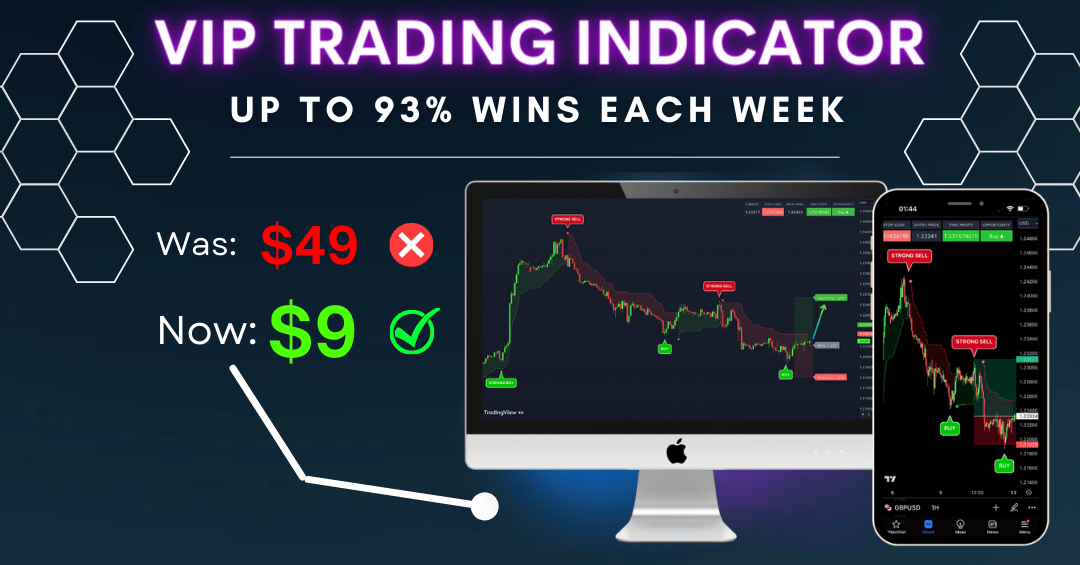
Day trading is a method where traders make multiple transactions within a single day, aiming to profit from short-term price movements. This strategy requires constant monitoring of market conditions and swift execution of trades. Successful day traders often rely on technical analysis, chart patterns, and real-time data to make informed decisions.
The fast-paced nature of day trading can lead to significant profits, but it also carries high risks. Traders must be disciplined and have a well-defined trading plan. Emotional decision-making can result in impulsive trades, which can quickly erode capital. Additionally, the costs associated with frequent trading, such as fees and spreads, can accumulate and impact overall profitability.
To excel in day trading, it’s crucial to develop a strategy that includes entry and exit points, as well as risk management techniques. Many successful day traders utilize tools like stop-loss orders to minimize potential losses. Furthermore, staying updated on market news can provide insights that influence price movements and trading decisions.
Swing Trading: Capturing Medium-Term Trends
Swing trading involves holding positions for several days or weeks to capture potential price movements within a trend. This method is ideal for traders who cannot dedicate their entire day to monitoring the markets. Swing traders analyze both technical and fundamental factors to identify favorable entry and exit points.
One of the advantages of swing trading is the reduced time commitment compared to day trading. Traders can conduct their analysis and set trades according to their schedules. However, swing trading is not without risks; market conditions can change rapidly, impacting the expected outcomes. Traders must be prepared for market volatility and have a plan in place for unexpected price movements.
To succeed in swing trading, it’s essential to focus on identifying strong trends and utilizing support and resistance levels for trade execution. Additionally, employing risk management strategies, such as setting stop-loss orders, can help protect against significant losses during adverse market conditions.
Arbitrage: Profiting from Price Discrepancies
Arbitrage is a trading method that capitalizes on price differences for the same asset across different exchanges. Traders buy a cryptocurrency at a lower price on one exchange and simultaneously sell it at a higher price on another, profiting from the discrepancy. This method requires quick execution and a keen understanding of market dynamics.
While arbitrage can be lucrative, it often involves considerable risks, such as execution risks and the potential for market fluctuations during the transaction. Additionally, transaction fees can eat into profits, so traders must carefully calculate their potential gains before executing trades. Speed is crucial in arbitrage; delays can result in missed opportunities.
To effectively engage in arbitrage, traders should utilize automated trading tools and bots that can execute trades faster than manual methods. This technology can help minimize risks associated with timing and ensure traders capitalize on price discrepancies as they arise.
Risk Management Strategies
Effective risk management is essential for all crypto trading methods. Regardless of the chosen strategy, traders must protect their investments against significant losses. This involves setting clear risk parameters, such as determining how much capital to risk on a single trade and using stop-loss orders to limit potential losses.
Another critical aspect of risk management is diversification. Spreading investments across various cryptocurrencies can help mitigate risks associated with individual asset volatility. Additionally, maintaining a balanced portfolio can provide stability and reduce the impact of market fluctuations.
Traders should also remain informed about market conditions and adjust their strategies accordingly. Regularly reviewing performance and refining trading methods based on past experiences can lead to improved decision-making and better risk management.
Further Reading
Authoritative Sources
- Investopedia on Crypto Trading
investopedia.comA comprehensive resource for understanding various crypto trading strategies and market dynamics
- CoinDesk: Market Analysis
coindesk.comLatest news and analysis on cryptocurrency markets, providing insights for traders
- Binance Academy
binance.comEducational resources on trading methods, cryptocurrency fundamentals, and market strategies
Frequently Asked Questions
What is the best trading method for beginners?
For beginners, swing trading is often recommended as it allows more time to analyze market trends and make informed decisions without the pressure of constant market monitoring.
How much capital do I need to start trading crypto?
The amount of capital required varies, but starting with a few hundred dollars is common. It’s crucial to only invest what you can afford to lose.
What are the risks associated with crypto trading?
Risks include market volatility, regulatory changes, and the potential for significant losses. Implementing risk management strategies is essential.
Can I use leverage in crypto trading?
Yes, many exchanges offer leverage, allowing traders to borrow funds to increase their trading position. However, this amplifies both potential gains and losses.
How can I stay updated on market trends?
Utilizing news websites, crypto analysis platforms, and social media channels can help traders stay informed about market trends and developments.
Conclusion
Understanding and implementing effective crypto trading methods is vital for achieving success in this volatile market. Whether you choose day trading, swing trading, or arbitrage, each method requires a strategic approach and strong risk management practices. Prioritize education and stay informed about market trends to enhance your trading performance. Regularly assess your strategies and adapt to changing market conditions to maximize your potential for profit while minimizing risks.