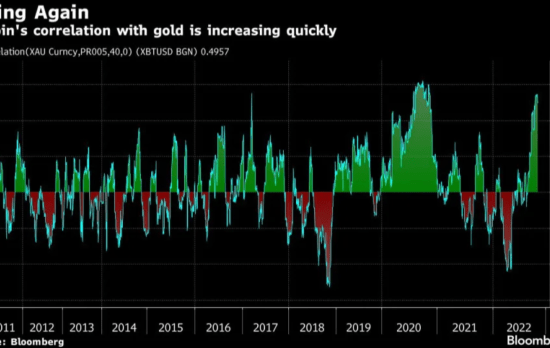
Given the inherent volatility of digital currencies, traders must employ strategies that allow them to benefit from rapid price changes while mitigating risks. Understanding market dynamics and utilizing effective trading techniques are crucial for success in this fast-paced environment.
Effective crypto volatility trading requires an awareness of market trends, timing, and the implementation of risk management strategies. Traders often rely on technical analysis to identify price patterns and potential entry and exit points. Additionally, staying informed about market news and sentiment can provide valuable insights into price movements. Common pitfalls include over-leveraging and failing to set stop-loss orders, which can lead to substantial losses.
One critical aspect of successful volatility trading is developing a robust risk management plan. This includes setting clear profit targets, determining acceptable loss limits, and diversifying trading strategies to avoid concentrated risks. Traders should also be aware of the psychological aspects of trading, as emotional decision-making can often lead to poor outcomes. Prioritizing a disciplined approach can help traders navigate the unpredictable nature of crypto markets.


Understanding Crypto Volatility
Crypto volatility is characterized by rapid and significant price fluctuations, often driven by market sentiment, news events, and trading volume. Unlike traditional assets, cryptocurrencies can experience drastic price changes within hours or even minutes. Understanding the factors contributing to this volatility is essential for traders looking to capitalize on market movements.
Several elements contribute to the volatility of cryptocurrencies, including market liquidity, regulatory news, and technological developments. Events like exchange hacks or regulatory announcements can trigger price swings, creating opportunities for traders to profit but also presenting considerable risks. Traders should prioritize staying informed about such developments to make timely decisions.
Moreover, it is vital to recognize that volatility can also be a double-edged sword. While it offers opportunities for profit, it can lead to significant losses if not managed properly. Traders must balance their desire for profits with the need for a comprehensive understanding of the risks involved in crypto volatility trading.
Effective Trading Strategies
Successful crypto volatility trading hinges on the implementation of effective strategies tailored to market conditions. Common approaches include day trading, swing trading, and scalping, each with its own set of methodologies and risk profiles.
Day traders typically buy and sell assets within the same day, capitalizing on short-term price movements. This method requires a keen understanding of market trends and the ability to react quickly. Swing trading, on the other hand, involves holding positions for several days or weeks to capture medium-term price changes. This strategy allows traders to navigate volatility while reducing the pressure to make rapid decisions.
Scalping is another popular strategy, focusing on small price changes throughout the day. Scalpers execute numerous trades, often relying on high leverage and tight stop-loss orders to manage risk. However, this approach can be demanding and requires a robust trading plan. Traders should evaluate their trading style and risk tolerance to choose the strategy that aligns with their objectives.
Risk Management Techniques
Implementing robust risk management techniques is essential in crypto volatility trading. Traders should first define their risk tolerance, which dictates how much capital they are willing to risk on each trade. This step is crucial for preserving capital and ensuring long-term trading success.
Utilizing stop-loss orders is one of the most effective ways to manage risk. These orders automatically close a position when the asset reaches a predetermined price, helping traders limit losses. Additionally, diversifying trading strategies and assets can reduce exposure to market volatility. By spreading investments across different cryptocurrencies or trading styles, traders can mitigate the impact of adverse price movements.
Another critical aspect of risk management is maintaining an appropriate level of leverage. While leverage can amplify profits, it also increases the potential for losses. Traders should approach leverage with caution and ensure they fully understand its implications on their trading positions.
Common Mistakes to Avoid
Traders new to crypto volatility trading often make several common mistakes that can adversely affect their performance. One prevalent error is failing to develop a comprehensive trading plan. Without a clear strategy outlining entry and exit points, risk management, and profit targets, traders may struggle to make informed decisions.
Emotional trading is another significant pitfall. Decisions driven by fear or greed can lead to impulsive actions that deviate from a well-thought-out plan. Traders should prioritize discipline and adherence to their strategies, regardless of market conditions.
Additionally, neglecting to stay informed about market developments can result in missed opportunities or unexpected losses. Regularly following news, trends, and trading volumes can provide valuable insights that enhance trading performance. By being proactive and informed, traders can better navigate the complexities of crypto volatility trading.
Further Reading
Authoritative Sources
- Understanding Volatility in Cryptocurrency
investopedia.comThis article provides insights into the nature of volatility in financial markets, including cryptocurrencies, and its implications for traders
- Cointelegraph
cointelegraph.comA leading source for cryptocurrency news, offering updates on market trends and events impacting volatility
- Coindesk
coindesk.comCoindesk provides comprehensive coverage of cryptocurrency markets, including analysis on price movements and volatility
Frequently Asked Questions
What is crypto volatility trading?
Crypto volatility trading involves buying and selling cryptocurrencies based on rapid price changes to capitalize on market fluctuations.
What strategies are effective for crypto volatility trading?
Effective strategies include day trading, swing trading, and scalping, each suited to different market conditions and trader styles.
How can I manage risks in crypto trading?
Risks can be managed by setting stop-loss orders, diversifying assets, and maintaining appropriate leverage levels.
What are common mistakes in crypto volatility trading?
Common mistakes include emotional trading, lack of a trading plan, and neglecting to stay informed about market developments.
Why is staying informed important in crypto trading?
Staying informed helps traders anticipate market movements and make informed decisions, reducing the likelihood of unexpected losses.