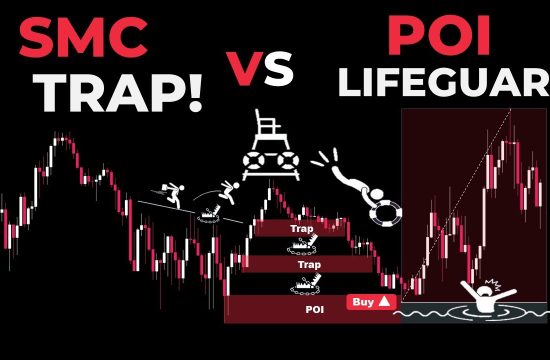
Cryptocurrency trend trading is a strategy that focuses on identifying and capitalizing on market movements. Traders analyze price charts and use technical indicators to determine the direction of trends, allowing them to make informed decisions about when to enter or exit positions.
Understanding the underlying factors that drive price trends is crucial for effective trading. Market sentiment, news events, and economic indicators can all influence price movements. Traders must stay informed about developments in the cryptocurrency space, as these factors can significantly impact market behavior. Additionally, employing risk management strategies, such as stop-loss orders, can help mitigate potential losses during unfavorable market conditions.
A common mistake among traders is relying solely on indicators without considering broader market context. It’s vital to incorporate fundamental analysis alongside technical signals to gain a comprehensive view of market dynamics. Prioritizing a balanced approach that includes both aspects can enhance decision-making and lead to more successful trades.


Understanding Market Trends
Market trends are the general direction in which the price of an asset moves. Recognizing these trends is fundamental for successful cryptocurrency trend trading. Trends can be classified as upward (bullish), downward (bearish), or sideways (ranging). Each type presents unique trading opportunities and requires different strategies.
To identify trends, traders often use chart patterns, such as higher highs and higher lows in an uptrend or lower highs and lower lows in a downtrend. Understanding these patterns helps traders assess when to enter or exit trades effectively. Furthermore, recognizing the phases of a trend—accumulation, uptrend, distribution, and downtrend—can guide traders in making timely decisions.
It’s essential to remain adaptable, as trends can change rapidly in the cryptocurrency market. Traders should continuously analyze market conditions and adjust their strategies accordingly. Failing to recognize a trend reversal can lead to significant losses, highlighting the importance of vigilance and adaptability in trend trading.
Key Indicators for Trend Analysis
Traders utilize various technical indicators to analyze trends and predict future price movements. Some of the most popular indicators include moving averages, Relative Strength Index (RSI), and MACD (Moving Average Convergence Divergence). Each indicator serves a specific purpose in trend analysis.
Moving averages smooth out price data to help identify the direction of the trend. The crossover of short-term and long-term moving averages can signal potential entry or exit points. The RSI measures the speed and change of price movements, helping traders identify overbought or oversold conditions. Meanwhile, MACD provides insights into momentum shifts and trend reversals.
While indicators are valuable tools, they should not be used in isolation. Combining multiple indicators can increase the accuracy of predictions. Traders should also consider market news and events that may impact price movements, as relying solely on technical analysis can lead to missed opportunities or unexpected losses.
Risk Management in Trend Trading
Effective risk management is crucial for long-term success in cryptocurrency trend trading. Traders must establish clear risk parameters, such as the percentage of their capital they are willing to risk on each trade. This approach helps prevent significant losses that can occur due to market volatility.
Implementing stop-loss orders is one of the most effective risk management strategies. A stop-loss order automatically closes a trade when the asset reaches a predetermined price, protecting traders from excessive losses. Additionally, diversifying trades across different cryptocurrencies can mitigate risk exposure, as not all assets react the same way to market movements.
Traders should also regularly review and adjust their risk management strategies based on market conditions. What works in a stable market may not be effective in a highly volatile environment. Staying informed and flexible will enhance a trader’s ability to navigate the complexities of the cryptocurrency market.
Common Mistakes to Avoid
Many traders fall into common pitfalls that can hinder their success in cryptocurrency trend trading. One prevalent mistake is overtrading, where traders enter too many positions without proper analysis. This behavior can lead to emotional decision-making and increased transaction costs.
Another mistake is neglecting proper research and analysis. Relying solely on tips or social media trends can result in poor trading decisions. It’s essential to conduct thorough research and use multiple sources of information to inform trading strategies. Additionally, ignoring the importance of market psychology can lead to misinterpretations of price movements.
To avoid these pitfalls, traders should develop a disciplined trading plan that incorporates analysis, risk management, and emotional control. Sticking to a plan can help mitigate impulsive decisions and foster a more systematic approach to trading.
Further Reading
For those looking to deepen their understanding of cryptocurrency trend trading, several authoritative resources are available. Consider exploring official cryptocurrency exchanges’ educational resources or reputable financial news websites that provide in-depth analyses and insights.
Further Reading
Authoritative Sources
- Investopedia
investopedia.comClear explanations of investing, finance, markets, and personal money decisions.
- SEC Investor Resources
sec.govOfficial investor education and securities-related guidance from the U.S. Securities and Exchange Commission.
- Internal Revenue Service
irs.govOfficial tax guidance, forms, and compliance information.
- Consumer Financial Protection Bureau
consumerfinance.govConsumer guidance on credit, debt, lending, and financial products.
- U.S. Small Business Administration
sba.govBusiness planning, funding, and operational guidance for small businesses.
Frequently Asked Questions
What is cryptocurrency trend trading?
Cryptocurrency trend trading is a strategy that involves analyzing market trends to make informed trading decisions, aiming to profit from price movements.
How do I identify trends in cryptocurrency trading?
Trends can be identified through price charts, technical indicators, and understanding market sentiment. Look for patterns such as higher highs or lower lows.
What are the risks of trend trading?
The main risks include market volatility, potential losses from trend reversals, and emotional decision-making. Effective risk management strategies are essential.
Which indicators are best for trend trading?
Common indicators include moving averages, RSI, and MACD. Each provides insights into price movements and can help identify potential entry and exit points.
How can I manage risk in trend trading?
Implementing stop-loss orders, diversifying trades, and establishing clear risk parameters are effective strategies for managing risk in trend trading.
Conclusion
In summary, cryptocurrency trend trading requires a thorough understanding of market dynamics, effective use of technical indicators, and robust risk management practices. By identifying trends and making informed decisions, traders can capitalize on price movements while minimizing potential losses. Staying disciplined and adaptable is key to navigating the complexities of the cryptocurrency market. As trends can shift rapidly, continuous learning and vigilance will enhance trading success and contribute to long-term profitability.
Related Content
- Bitcoin Fair Value – 5 Year Prediction
- Bitcoin Price Watch: Bearish Signals Emerge Despite Bullish Trendline
- Bitcoin, Ethereum Technical Analysis: BTC Falls on Saturday, Following Brief Spell Above $27,000
- Bitcoin, Ethereum Technical Analysis: BTC Plunges Below $22,000, While ETH Nears 10-Day Low
- BEST TradingView Indicators for Day Trading!! (Free)