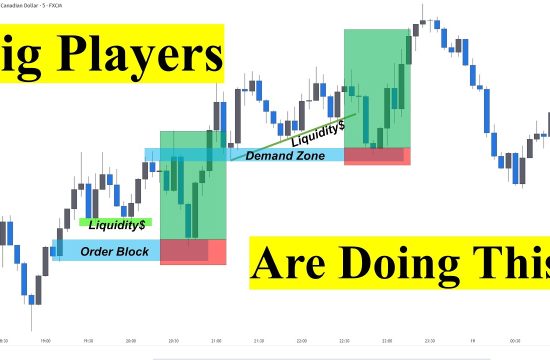
Bitcoin trading charts are visual representations of the price movement of Bitcoin over time, showcasing trends, patterns, and trading volume. These charts are vital for traders to make informed decisions, identify market trends, and predict future price movements based on historical data.
Many traders overlook the importance of comprehensive chart analysis, often focusing solely on price without considering the underlying volume and momentum indicators. This oversight can lead to missed opportunities or, worse, significant losses. Recognizing the interplay between price action and volume is crucial; a price movement accompanied by high volume generally indicates strength, while low volume may suggest a lack of conviction in that movement.
Moreover, common pitfalls include relying too heavily on a single indicator or chart pattern without considering broader market context. It’s essential to adopt a multi-faceted approach that incorporates various indicators and patterns to gain a more accurate market perspective. Trading is not just about reacting to price changes; it’s about understanding the reasons behind those changes.

Key Chart Types for Bitcoin Trading
There are several chart types that traders commonly use for Bitcoin trading, each providing different insights into price movements. The most popular chart types include line charts, bar charts, and candlestick charts. Line charts offer a simple overview of price movements over time, making them useful for identifying general trends. Bar charts provide more information by showing opening, closing, high, and low prices for a given period.
Candlestick charts are particularly favored among traders due to their ability to convey more information in a compact format. Each candlestick represents price movement within a specific time frame, indicating whether the price closed higher or lower than it opened. This can reveal market sentiment, allowing traders to make more nuanced decisions.
When selecting a chart type, traders should consider their specific trading strategy and the timeframes they operate within. For instance, day traders may prefer candlestick charts for their granularity, while long-term investors might find line charts sufficient for tracking overall trends.
Understanding Candlestick Patterns
Candlestick patterns are crucial for interpreting market sentiment and predicting potential price movements. Patterns such as the Doji, Hammer, and Engulfing patterns provide insights into market psychology and potential reversal points. For instance, a Doji indicates indecision in the market, while a Hammer signals a potential bullish reversal after a downtrend.
Recognizing these patterns allows traders to anticipate price movements more effectively. However, relying solely on candlestick patterns without considering the broader market context can lead to poor trading decisions. It’s essential to combine candlestick analysis with other indicators such as support and resistance levels for a more robust trading strategy.
Additionally, traders should be aware of the timeframes in which they are analyzing these patterns. A bullish pattern on a shorter timeframe may not hold the same significance on a longer timeframe. Thus, multi-timeframe analysis can enhance the effectiveness of candlestick pattern recognition.
Volume Analysis in Bitcoin Trading
Volume analysis is a critical aspect of trading that often goes overlooked. It refers to the number of Bitcoin units traded over a specific period and provides insights into the strength of price movements. High trading volume during a price increase can indicate strong buying interest, while high volume during a price drop may suggest strong selling pressure.
Integrating volume with price action can enhance trading decisions. For example, if Bitcoin’s price rises significantly with increasing volume, it may indicate a strong uptrend. Conversely, if the price rises but volume decreases, it could signal a lack of conviction and potential reversal. Understanding these dynamics can help traders avoid false breakouts and make more informed decisions.
Traders should also consider the context of volume changes. Sudden spikes in volume can be triggered by news events, market sentiment shifts, or institutional buying, and recognizing these triggers can provide valuable insights into potential price movements.
Common Mistakes in Chart Interpretation
Traders often make several common mistakes when interpreting Bitcoin trading charts. One frequent error is over-relying on a single indicator or pattern without considering the overall market context. This can lead to misguided trades based on incomplete information. Another mistake is failing to adjust trading strategies based on changing market conditions.
For instance, a trader might rely on bullish patterns in a bearish market, leading to losses. To avoid these pitfalls, it’s essential to maintain a flexible trading approach that adapts to market changes. Additionally, traders should practice patience and avoid impulsive decisions based on short-term price fluctuations.
Lastly, many traders neglect to backtest their strategies using historical chart data. Backtesting can reveal the effectiveness of specific strategies under various market conditions, helping traders refine their approach and avoid costly mistakes.
Further Reading
Authoritative Sources
- Bitcoin Trading Basics
investopedia.comThis resource provides a comprehensive overview of Bitcoin trading fundamentals and key concepts
- Understanding Candlestick Charts
coindesk.comA detailed explanation of candlestick charts and their significance in trading
- TradingView: Charting Platform
tradingview.comA popular platform for creating and analyzing various trading charts
- Bitcoin Market Journal
bitcoinmarketjournal.comA resource for news, analysis, and insights into Bitcoin trading and investment
Frequently Asked Questions
What are the main types of Bitcoin trading charts?
The main types of Bitcoin trading charts include line charts, bar charts, and candlestick charts, with candlestick charts being the most popular due to their detailed information.
How can I identify trends using Bitcoin trading charts?
Trends can be identified by observing the direction of price movements over time and using tools like trend lines and moving averages.
What is the significance of volume in Bitcoin trading?
Volume indicates the strength of price movements; high volume during price increases suggests strong buying interest, while high volume during drops indicates selling pressure.
What common mistakes should I avoid when trading Bitcoin?
Avoid over-relying on single indicators, failing to adapt strategies to market conditions, and neglecting backtesting your trading approach.
How often should I analyze Bitcoin trading charts?
Analysis frequency depends on your trading strategy; day traders may analyze charts multiple times a day, while long-term investors might review them weekly or monthly.
Conclusion
In summary, mastering Bitcoin trading charts is essential for effective trading. By understanding different chart types, recognizing candlestick patterns, and analyzing volume, traders can make more informed decisions. Additionally, avoiding common mistakes and continuously refining strategies based on market conditions will enhance trading success. As you engage with Bitcoin trading, prioritize a comprehensive approach that integrates various tools and insights to navigate the complexities of the market effectively.
Related Content
- CRYPTO ALERT: BEWARE OF WHAT IS GOING ON
- Bitcoin ETFs Capture $216M in Third Consecutive Day of Inflows
- How to Use VPVR on TradingView (Volume Profile Visible Range Indicator Trading)
- Smart Strategies for Trading Bitcoins Today
- Coinbase Secures Regulatory Approval to Operate as a Virtual Asset Service Provider in Ireland