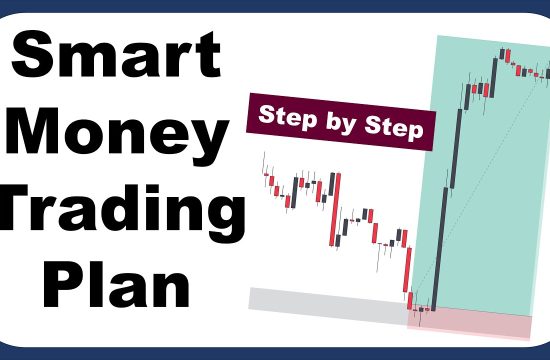
Cryptocurrency chart patterns are essential tools for traders, providing insights into price movements and market trends. These patterns emerge from the historical price data displayed on charts and can help predict future price actions.
Understanding how to interpret these patterns is crucial for successful trading. For instance, a head and shoulders pattern typically signals a reversal from bullish to bearish sentiment, while a bullish flag suggests a continuation of an upward trend. Traders must consider market context and volume alongside these patterns, as false signals can lead to significant losses. Prioritizing pattern recognition skills and market analysis can enhance trading success.
Many traders often overlook the importance of volume when analyzing chart patterns. Volume can confirm the strength of a pattern; for example, a breakout from a triangle pattern accompanied by high volume is more reliable than one with low volume. Additionally, patterns may differ in their reliability based on the timeframe used for analysis. Short-term traders might focus on smaller patterns, while long-term investors may prioritize larger formations.


Understanding Common Chart Patterns
There are several key chart patterns that traders should familiarize themselves with. The head and shoulders pattern, for instance, is one of the most reliable indicators of a trend reversal. It consists of three peaks: a higher peak (head) between two lower peaks (shoulders). In contrast, the inverse head and shoulders pattern indicates a potential bullish reversal.
Other notable patterns include triangles, which can be ascending, descending, or symmetrical. Each type has its implications for market direction. For example, an ascending triangle often signals a bullish breakout, while a descending triangle can indicate a bearish trend. Understanding these patterns can significantly enhance a trader’s ability to forecast market movements.
Traders should also be aware of the double top and double bottom patterns, which signify potential reversals after an established trend. A double top indicates a bearish reversal, while a double bottom suggests a bullish reversal. Recognizing these patterns early can provide traders with valuable entry and exit points.
Practical Applications of Chart Patterns
Chart patterns can be applied in various trading strategies to optimize entry and exit points. For example, when a trader identifies a head and shoulders pattern, they might consider shorting the asset once the price breaks below the neckline. This approach can help capitalize on the anticipated downward movement.
Additionally, using chart patterns in conjunction with stop-loss orders can mitigate risks. For instance, if a trader enters a position based on a bullish flag pattern, they might set a stop-loss just below the flag’s support level. This strategy helps protect capital in the event of a false breakout.
Moreover, combining chart patterns with other technical indicators, such as moving averages or RSI, can enhance decision-making. For example, if a bullish pattern forms while the RSI is below 30, it may signal an overbought condition, prompting caution before entering a long position.
Common Mistakes in Pattern Analysis
One of the most common mistakes traders make is relying solely on chart patterns without considering other market factors. For instance, a pattern may appear to signal a bullish breakout, but if overall market sentiment is bearish, the breakout may fail. This highlights the importance of holistic analysis.
Additionally, traders often misinterpret patterns due to a lack of experience or understanding. For example, a trader may mistake a minor price fluctuation for the formation of a significant pattern, leading to premature trades. It is crucial to confirm patterns with volume and other indicators to avoid such pitfalls.
Another frequent error is not having a clear exit strategy. Traders may enter a position based on a pattern but fail to define when to exit, resulting in missed opportunities or larger losses. Establishing a clear plan based on risk tolerance and market conditions is essential for effective trading.
Integrating Chart Patterns with Other Indicators
Integrating chart patterns with other technical indicators can provide a more comprehensive trading strategy. For example, using moving averages alongside chart patterns can confirm trends. A trader might look for a bullish pattern to align with a moving average crossover, enhancing the likelihood of a successful trade.
Moreover, volume analysis is critical when confirming patterns. A breakout accompanied by high volume validates the pattern, while low volume may indicate a lack of conviction in the move. This dual analysis can help traders make more informed decisions.
Additionally, considering market sentiment and news events can further enhance the effectiveness of chart patterns. For instance, if a positive news announcement aligns with a bullish pattern, it may provide the necessary momentum for a successful trade.
Further Reading
Authoritative Sources
- Chart Patterns Explained
investopedia.comThis resource provides a comprehensive overview of various chart patterns and their implications for traders
- Understanding Chart Patterns in Crypto Trading
coindesk.comCoindesk offers insights into the relevance of chart patterns specifically within the cryptocurrency market
- TradingView: Charting Tools
tradingview.comTradingView provides advanced charting tools that can help traders identify and analyze chart patterns effectively
- StockCharts Chart Patterns
stockcharts.comThis resource details various chart patterns with examples and analysis for better trading decisions
Frequently Asked Questions
What are the most common chart patterns in cryptocurrency trading?
The most common chart patterns include head and shoulders, double tops and bottoms, triangles, and flags. Each pattern signals potential market movements.
How can I use chart patterns to improve my trading strategy?
Chart patterns can help identify entry and exit points. Integrating them with volume analysis and other indicators enhances decision-making.
What mistakes should I avoid when analyzing chart patterns?
Common mistakes include relying solely on patterns without considering market context, misinterpreting patterns, and lacking a clear exit strategy.
How does volume affect chart pattern analysis?
Volume confirms the strength of a pattern. High volume during a breakout validates the pattern, while low volume may indicate a false signal.
Can chart patterns guarantee successful trades?
No, chart patterns do not guarantee success. They are tools to aid decision-making, but market conditions can change rapidly.
Conclusion
In conclusion, understanding cryptocurrency chart patterns is vital for traders looking to enhance their market analysis and decision-making skills. By recognizing common patterns and integrating them with other indicators, traders can improve their chances of success. However, it is essential to remain aware of the potential pitfalls and to use these patterns as part of a broader trading strategy. Prioritizing continuous learning and adapting to market conditions will ultimately lead to more informed trading decisions.