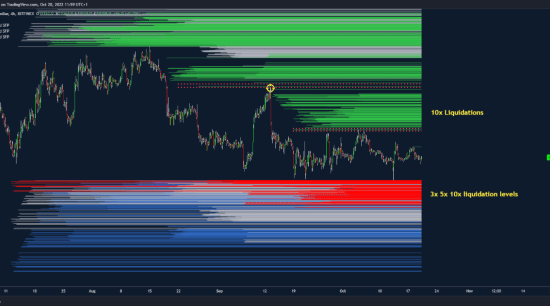
Bitcoin futures contracts are financial instruments that allow traders to speculate on the future price of Bitcoin without actually owning the cryptocurrency. By entering into a futures contract, an investor agrees to buy or sell Bitcoin at a predetermined price on a specific date in the future.
Understanding the implications of trading bitcoin futures contracts is crucial for any investor. These contracts can be advantageous for hedging against price volatility or for leveraging investments, but they require a solid grasp of market dynamics. Traders often make the mistake of underestimating the volatility involved, which can lead to unexpected outcomes. Therefore, it’s essential to approach these contracts with a clear strategy and risk management plan.
Many traders enter the market without fully understanding the intricacies of futures contracts. Common pitfalls include over-leveraging positions and failing to monitor market movements closely. Additionally, the emotional aspect of trading can lead to impulsive decisions that deviate from a well-thought-out strategy. Therefore, establishing a disciplined trading routine and understanding market signals are critical for success in this arena.


How Bitcoin Futures Contracts Work
Bitcoin futures contracts work by allowing traders to agree on a price for Bitcoin at a future date, facilitating speculation on price movements. When a contract is created, it specifies the amount of Bitcoin to be traded and the settlement date. Traders can either go long (betting that the price will rise) or short (betting that the price will fall). This mechanism provides flexibility in trading strategies and can be used in various market conditions.
One important aspect of bitcoin futures contracts is the concept of margin. Traders are required to deposit a certain percentage of the total contract value as collateral, which allows them to control a larger position than their initial investment. However, while margin trading can amplify gains, it also increases the risk of losses. Therefore, understanding margin requirements and the potential consequences of leveraged trading is essential.
Additionally, futures contracts can be settled in two ways: cash or physical delivery. In cash settlement, the profit or loss is calculated based on the difference between the contract price and the market price at expiration, whereas physical delivery involves the actual transfer of Bitcoin. Most retail traders prefer cash settlement due to its simplicity and reduced logistical challenges.
Benefits of Trading Bitcoin Futures
Trading bitcoin futures offers several advantages for investors looking to capitalize on Bitcoin’s price movements. One of the primary benefits is the ability to hedge existing positions. For example, if an investor owns Bitcoin and is concerned about a potential decline in price, they can take a short position in futures contracts to offset losses in their spot holdings. This strategy can provide a level of protection against market volatility.
Another significant advantage is the potential for profit in both rising and falling markets. Unlike traditional investing, where profits can only be realized through upward price movements, futures trading allows investors to profit regardless of market direction. This flexibility makes futures contracts an appealing option for traders who can quickly adapt to changing market conditions.
Moreover, bitcoin futures contracts are often traded on regulated exchanges, which can provide a level of security and transparency not always present in the spot market. This regulation can help protect traders from fraud and market manipulation, further enhancing the appeal of futures trading.
Risks Associated with Bitcoin Futures Contracts
Despite the potential benefits, trading bitcoin futures contracts involves significant risks that investors must carefully consider. The most prominent risk is market volatility. Bitcoin’s price can fluctuate dramatically within a short period, leading to substantial gains or losses for futures traders. Therefore, it is crucial for traders to have a solid risk management strategy in place to mitigate potential losses.
Another risk is the use of leverage. While leverage can amplify profits, it can also magnify losses. Many traders underestimate the impact of leverage on their positions, leading to margin calls and forced liquidation of positions. Understanding how much leverage to use is vital, and traders should only use leverage they can afford to lose.
Additionally, the complexity of futures contracts can lead to misunderstandings regarding their mechanics. Traders may not fully grasp the implications of contract expiration or the importance of timing their trades, which can result in missed opportunities or unwanted exposure to risk. Continuous education and staying informed about market conditions can help mitigate these risks.
Strategies for Trading Bitcoin Futures
Implementing effective strategies is essential for successful trading of bitcoin futures contracts. One common approach is trend following, where traders analyze historical price movements to identify potential trends and make informed decisions based on those patterns. This strategy requires thorough market research and a strong understanding of technical analysis.
Another strategy is to employ a hedging approach, where traders use futures contracts to protect their existing positions. By taking an opposite position in the futures market, traders can safeguard against adverse price movements, reducing overall portfolio risk. This method is particularly useful for long-term investors concerned about short-term market fluctuations.
Moreover, setting clear entry and exit points based on market analysis can help traders maintain discipline and avoid emotional decision-making. It’s essential to have a well-defined trading plan that includes risk management rules, ensuring that traders can react appropriately to market changes without succumbing to fear or greed.
Authoritative Sources
- CME Bitcoin Futures Overview
cmegroup.comThis resource provides an in-depth understanding of how Bitcoin futures work and their trading mechanisms
- Investopedia: Bitcoin Futures
investopedia.comA comprehensive guide to Bitcoin futures, including benefits, risks, and trading strategies
- CoinDesk: What Are Bitcoin Futures?
coindesk.comDetailed insights into Bitcoin futures contracts and their impact on the cryptocurrency market
- Binance Futures Explained
binance.comAn explanation of futures trading on Binance, including practical tips for new traders
Further Reading
Authoritative Sources
- Investopedia
investopedia.comClear explanations of investing, finance, markets, and personal money decisions.
- SEC Investor Resources
sec.govOfficial investor education and securities-related guidance from the U.S. Securities and Exchange Commission.
- Internal Revenue Service
irs.govOfficial tax guidance, forms, and compliance information.
- Consumer Financial Protection Bureau
consumerfinance.govConsumer guidance on credit, debt, lending, and financial products.
- U.S. Small Business Administration
sba.govBusiness planning, funding, and operational guidance for small businesses.
Frequently Asked Questions
What are bitcoin futures contracts?
Bitcoin futures contracts are agreements to buy or sell Bitcoin at a predetermined price on a specified future date, allowing traders to speculate on Bitcoin’s price movements.
How do I trade bitcoin futures?
To trade bitcoin futures, you need to open an account with a broker that offers futures trading, deposit margin funds, and then you can place buy or sell orders based on your market analysis.
What are the risks of trading bitcoin futures?
The risks include market volatility, potential for significant losses due to leverage, and the complexity of futures contracts that can lead to misunderstandings.
Can I profit from falling Bitcoin prices?
Yes, by taking a short position in bitcoin futures contracts, traders can profit from declining Bitcoin prices.
What is the best strategy for trading bitcoin futures?
The best strategy varies by trader, but common approaches include trend following, hedging existing positions, and setting clear entry and exit points based on market analysis.
Conclusion
In summary, bitcoin futures contracts offer unique opportunities for traders to speculate on the cryptocurrency market while managing risks through strategic trading. However, the volatility and complexity of these contracts necessitate a thorough understanding of market dynamics and risk management. Traders should prioritize education, develop a clear trading plan, and remain disciplined to navigate the challenges effectively. By doing so, they can leverage the potential benefits of bitcoin futures contracts while minimizing the risks involved.