Crypto swing trading involves taking advantage of price fluctuations in cryptocurrencies over a short to medium-term period. Traders typically hold positions for days to weeks, aiming to profit from market volatility.
Practical interpretation of swing trading indicates that it is not merely about entering and exiting trades; it demands a strategic approach. Traders must analyze market conditions, identify entry and exit points, and be aware of the emotional aspects of trading. Many traders overlook the importance of a disciplined strategy, leading to impulsive decisions that can erode profits.
Common mistakes include neglecting to set stop-loss orders, failing to conduct thorough market analysis, and allowing emotions to dictate trading decisions. To succeed, traders should prioritize developing a comprehensive trading plan and adhere to their strategy, even in volatile markets.


Understanding Crypto Swing Trading
Crypto swing trading is a trading style that focuses on capturing short to medium-term price movements in cryptocurrencies. Unlike day trading, which involves executing multiple trades in a single day, swing trading typically involves holding positions for several days to weeks. This approach allows traders to take advantage of price swings while avoiding the stress of constant market monitoring.
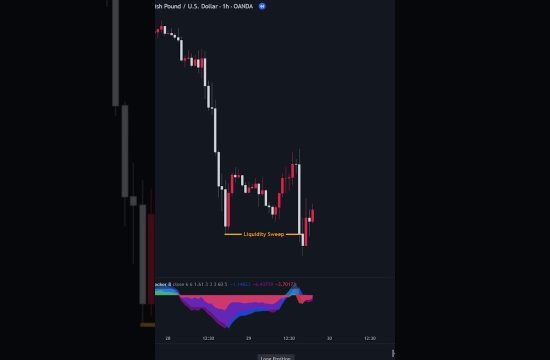
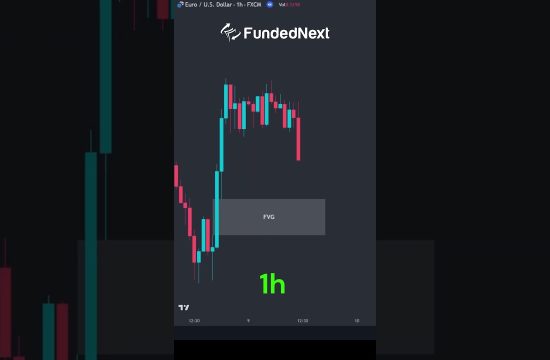
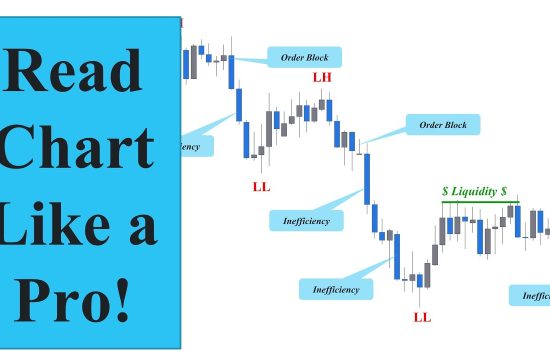
Traders engaging in swing trading rely on technical analysis, utilizing various indicators to determine optimal entry and exit points. This method requires a solid understanding of market trends and the ability to read charts effectively. Many traders find swing trading appealing due to its potential for significant returns without the need for constant attention to the markets.
However, swing trading is not without its challenges. Market volatility can lead to rapid price changes, making it essential for traders to remain disciplined and adhere to their trading plans. A common misconception is that swing trading is easier than day trading; in reality, it requires a different skill set and mindset.
Key Strategies for Successful Swing Trading
To succeed in crypto swing trading, traders should adopt several key strategies. First, understanding technical analysis is crucial. This includes familiarity with chart patterns, support and resistance levels, and various technical indicators such as moving averages and Relative Strength Index (RSI). By using these tools, traders can identify potential price reversals and continuation patterns.
Another effective strategy is to set clear entry and exit points before executing trades. Establishing these parameters helps traders avoid emotional decision-making during price fluctuations. Additionally, implementing a trailing stop-loss can protect profits while allowing for potential upside as prices rise.
Moreover, keeping an eye on market sentiment and news can provide valuable insights. Events such as regulatory changes, technological advancements, or macroeconomic factors can significantly impact cryptocurrency prices. Therefore, informed traders stay updated on relevant news to make timely and strategic trading decisions.
Common Pitfalls in Swing Trading
While swing trading can be lucrative, there are several common pitfalls that traders should avoid. One major mistake is failing to use stop-loss orders. Without these protective measures, traders risk significant losses during sudden market downturns. Setting a stop-loss at a predetermined level helps manage risk and preserves capital.
Another frequent error is overleveraging. Many traders are tempted to use high leverage to amplify their gains, but this strategy can backfire and lead to substantial losses. A prudent approach involves using leverage cautiously and ensuring that it aligns with the trader’s risk tolerance.
Lastly, allowing emotions to influence trading decisions can be detrimental. Fear and greed can prompt traders to deviate from their strategies, leading to impulsive actions. Maintaining discipline and sticking to a well-defined trading plan is essential for long-term success in swing trading.
Risk Management Techniques
Effective risk management is a cornerstone of successful crypto swing trading. Traders should allocate only a small portion of their capital to each trade, typically no more than 1-2% of their total portfolio. This approach mitigates the impact of losing trades on overall capital.
Moreover, diversifying trades across different cryptocurrencies can reduce risk exposure. Rather than concentrating investments in a single asset, spreading capital across various assets can help balance potential losses. Additionally, traders should regularly review and adjust their strategies based on performance and changing market conditions.
Finally, maintaining an emotional distance from trading decisions is crucial. By treating trading as a business rather than a hobby, traders can make more rational decisions and avoid the pitfalls of emotional trading.
Further Reading
For those interested in deepening their understanding of crypto swing trading, several resources are available:
Authoritative Sources
- Swing Trading
investopedia.comAn overview of swing trading concepts, strategies, and techniques
- What is Swing Trading?
coindesk.comA detailed explanation of swing trading in the context of cryptocurrencies
- TradingView
tradingview.comA platform offering advanced charting tools and market analysis for traders
Frequently Asked Questions
What is the best time frame for crypto swing trading?
The best time frame for crypto swing trading typically ranges from 1 hour to daily charts, allowing traders to capture price movements over days to weeks.
How much capital do I need to start swing trading?
While there is no set minimum, starting with at least $500 to $1,000 is advisable to effectively manage risk and cover transaction fees.
Can I swing trade with low volatility cryptocurrencies?
Yes, but it may yield smaller gains. Traders often prefer volatile assets for potential higher returns, but low volatility can provide steadier returns with less risk.
What indicators should I use for swing trading?
Common indicators include moving averages, RSI, MACD, and Bollinger Bands, which help identify trends and potential reversal points.
How do I manage risk in swing trading?
Effective risk management involves setting stop-loss orders, diversifying trades, and only risking a small percentage of your capital on each trade.
Conclusion
In summary, crypto swing trading offers a dynamic opportunity to capitalize on market fluctuations. Traders should focus on developing a disciplined approach, utilizing technical analysis, and implementing effective risk management strategies. By understanding market trends and avoiding common pitfalls, traders can enhance their chances of success in this fast-paced environment. Prioritizing a well-defined trading plan and maintaining emotional control will ultimately lead to more consistent results and long-term profitability.
Related Content
- African Blockchain Business Funding Rose 429% in 2022 — Report
- Ark Invest’s ETF Holds Unique ‘Bitcoin Puppet’ NFT Worth Over $27,000
- Transform Your Approach to Bitcoin Trading
- Crypto Trading Tools: Essential Platforms for Effective Market Analysis and Execution
- Bitcoin Trading Plan: Key Steps for Successful Market Navigation