Automated bitcoin trading involves using algorithms and software to execute trades in the bitcoin market without human intervention. This approach allows traders to capitalize on market opportunities in real-time, manage risks more effectively, and potentially enhance profitability through speed and efficiency.
The primary advantage of automated trading is its ability to eliminate emotional decision-making, which can often lead to poor trading outcomes. By relying on data-driven strategies, traders can set specific parameters for buying and selling, ensuring that trades are executed based on logic rather than impulse. However, it’s essential to recognize that automated systems are not foolproof; they require careful monitoring and adjustment to adapt to changing market conditions.
Moreover, many traders mistakenly believe that automation guarantees profits. While automated systems can optimize trading performance, they also come with risks, including system failures, market volatility, and the potential for algorithmic errors. Therefore, it is vital for traders to understand the mechanics behind their automated strategies and to remain engaged with market trends.

Understanding Automated Trading Systems
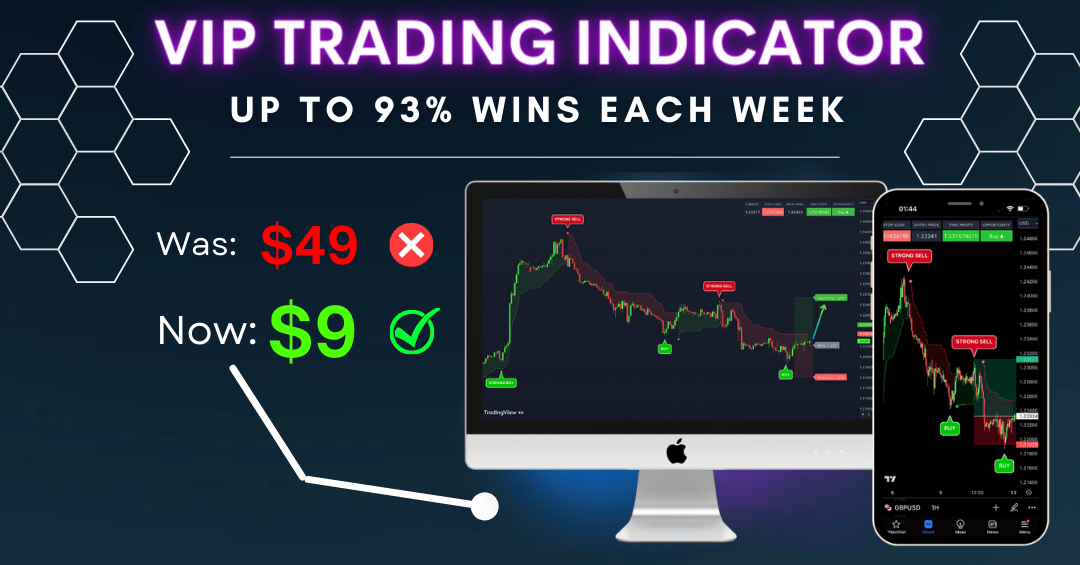
Automated trading systems utilize algorithms to trade bitcoin based on pre-defined criteria. These systems analyze market data, execute trades, and manage positions without human intervention. The primary components include market analysis tools, trading strategies, and risk management features.
Understanding how these systems operate is crucial for traders. Many platforms offer customizable algorithms that can be tailored to individual trading styles. For instance, traders can set parameters such as entry and exit points, stop-loss limits, and the size of trades. However, selecting the right algorithm and ensuring it aligns with market conditions can be challenging.
Additionally, traders should be aware of the risks involved. Automated systems can malfunction or perform poorly in volatile markets. Therefore, it’s essential to regularly monitor performance and be prepared to intervene if necessary.
Key Strategies for Success
To maximize the effectiveness of automated bitcoin trading, traders should consider implementing several key strategies. One effective approach is to diversify trading algorithms. Using multiple strategies can spread risk and enhance overall performance.
Another critical strategy is backtesting. Traders can simulate their automated strategies against historical market data to assess their potential effectiveness. This process helps identify strengths and weaknesses before deploying strategies in live markets.
Moreover, keeping abreast of market trends and news is vital. Automated trading does not replace the need for market awareness; rather, it complements it. Traders should regularly review and refine their strategies based on changing market conditions to stay competitive.
Common Mistakes to Avoid
Even experienced traders can fall victim to common pitfalls in automated bitcoin trading. One frequent mistake is neglecting regular system updates and maintenance. Algorithms may require adjustments as market conditions evolve, and failing to update them can lead to poor performance.
Another mistake is over-optimization. While it’s tempting to tweak algorithms for maximum performance based on past results, this can lead to overfitting, where the system performs well historically but poorly in real-time trading.
Traders should also be cautious about relying too heavily on automation. While it can streamline processes, understanding the underlying principles of trading is crucial for making informed decisions, especially in unexpected market conditions.
Evaluating Performance and Making Adjustments
Regularly evaluating the performance of automated trading systems is essential for long-term success. Traders should track key performance indicators (KPIs) such as win rate, average return per trade, and drawdown levels to assess effectiveness.
When performance falls short of expectations, it’s important to analyze the underlying causes. This may involve reviewing market conditions during the trading period, adjusting parameters, or even re-evaluating the trading strategy altogether.
Additionally, incorporating feedback loops can enhance performance. By continuously learning from past trades and adjusting algorithms accordingly, traders can improve their automated strategies over time.
Further Reading
Authoritative Sources
- Automated Trading
investopedia.comThis article provides a comprehensive overview of automated trading, including its benefits and risks
- What Is Automated Trading?
forbes.comA detailed exploration of automated trading strategies and how they can be effectively utilized
- Automated Trading Explained
bloomberg.comThis source explains the mechanics of automated trading and its impact on the financial markets
- How Automated Trading Works
cnbc.comA practical look at how automated trading systems operate in the bitcoin market
Frequently Asked Questions
What is automated bitcoin trading?
Automated bitcoin trading uses algorithms to execute trades based on predefined criteria without human intervention.
What are the benefits of automated trading?
Benefits include increased speed, reduced emotional decision-making, and the ability to capitalize on market opportunities 24/7.
Are there risks associated with automated trading?
Yes, risks include system failures, market volatility, and potential algorithmic errors that can lead to significant losses.
How can I improve my automated trading performance?
Regularly evaluate performance, backtest strategies, and adjust algorithms based on market conditions to enhance results.
Is human oversight necessary for automated trading?
Yes, while automation can increase efficiency, human oversight is essential to monitor performance and make necessary adjustments.
Conclusion
Automated bitcoin trading presents a powerful opportunity for traders to engage with the market efficiently and effectively. However, success requires a solid understanding of the underlying systems, a commitment to ongoing evaluation, and an awareness of potential pitfalls. By diversifying strategies, regularly assessing performance, and maintaining human oversight, traders can enhance their chances of achieving favorable outcomes in the dynamic bitcoin market. Moving forward, it is crucial to stay informed and adaptable, ensuring that automated trading strategies align with current market conditions.