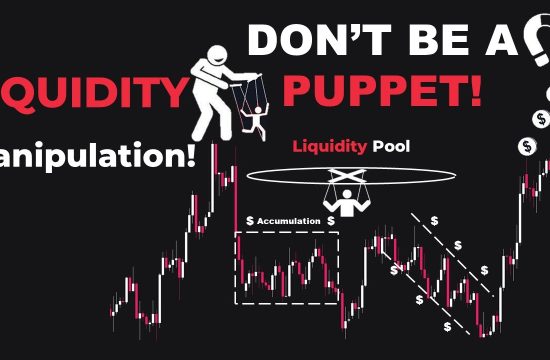
It focuses on maximizing the effectiveness of transactions by ensuring access to sufficient liquidity, minimizing slippage, and optimizing entry and exit points to enhance profitability. This approach is crucial for both individual and institutional traders, as it directly impacts their ability to execute trades at desired prices without causing significant market shifts.
Understanding the dynamics of liquidity is essential for successful Bitcoin trading. Market liquidity affects how easily a trader can enter or exit positions without incurring substantial costs. High liquidity typically results in tighter bid-ask spreads, allowing traders to transact with less price distortion. Conversely, low liquidity can lead to increased slippage, where the executed price diverges from the intended price. Traders must prioritize liquidity when selecting exchanges and trading strategies to minimize potential losses.
Common mistakes in liquidity trading include underestimating the importance of market depth and failing to recognize the impact of external factors such as news events or market sentiment. Traders often overlook how thinly traded markets can lead to adverse price movements, particularly during high volatility. Therefore, it is vital to assess the liquidity of the chosen trading pairs and adjust strategies accordingly to avoid costly errors.
Understanding Market Liquidity
Market liquidity is defined as the ability to buy or sell an asset without causing a significant impact on its price. In the context of Bitcoin, liquidity can vary greatly across different exchanges and trading pairs. A liquid market is characterized by a high volume of transactions and a narrow bid-ask spread, which enables traders to execute orders quickly and efficiently.
For traders, understanding liquidity is crucial because it affects trade execution and overall profitability. Low liquidity can result in higher trading costs due to slippage and wider spreads. Traders should evaluate liquidity metrics, such as trading volume and order book depth, before executing trades. This assessment helps in identifying optimal entry and exit points while mitigating potential risks associated with low liquidity.
Many traders mistakenly assume that liquidity is constant across all exchanges. However, liquidity can fluctuate based on market conditions, news events, and time of day. As such, it is essential to stay informed about market dynamics and adjust trading strategies accordingly to capitalize on favorable liquidity conditions.
Techniques for Enhancing Liquidity
Enhancing liquidity in Bitcoin trading involves employing specific techniques that can improve trade execution. One effective method is using limit orders rather than market orders. Limit orders allow traders to specify the price at which they are willing to buy or sell, thus reducing the risk of slippage. Additionally, traders can use order book analysis to identify price levels with significant buy or sell interest, which can inform their trading decisions.
Another technique is to utilize liquidity pools or decentralized exchanges (DEXs) that offer enhanced liquidity options. These platforms often have mechanisms in place to aggregate liquidity from multiple sources, providing better prices and reducing slippage. Traders should also consider using algorithmic trading strategies that can automatically adjust orders based on real-time liquidity conditions.
It is important to note that while these techniques can enhance liquidity, they also require a deep understanding of market mechanics and potential risks. Traders should prioritize risk management and continuously monitor market conditions to ensure their strategies remain effective.
Common Pitfalls in Liquidity Trading
Traders often encounter several pitfalls in liquidity trading that can adversely affect their performance. One common mistake is placing too much reliance on historical liquidity data without considering current market conditions. Liquidity can change rapidly, and traders must adapt their strategies in real-time to avoid unexpected losses.
Additionally, many traders fail to account for the impact of large trades on market liquidity. Executing a large order in a thinly traded market can lead to significant price movements, resulting in slippage and unfavorable execution prices. To mitigate this risk, traders should consider breaking larger orders into smaller chunks to minimize market impact.
Another frequent oversight is neglecting to monitor external factors that can influence liquidity, such as market news or regulatory changes. Staying informed about these developments is crucial for making timely trading decisions. Traders should also establish a robust risk management framework to protect against liquidity-related losses.
Choosing the Right Trading Platform
Selecting the right trading platform is critical for effective liquidity trading. Traders should assess platforms based on their liquidity offerings, transaction fees, and reliability. Platforms with higher trading volumes typically provide better liquidity and tighter spreads, making them more favorable for executing trades.
It is also essential to consider the trading features offered by the platform, such as advanced order types and charting tools. These features can enhance trading efficiency and allow traders to respond more effectively to changing market conditions. Additionally, traders should evaluate the platform’s security measures to ensure their funds are safe.
Finally, it is wise to read reviews and gather feedback from other traders regarding their experiences with specific platforms. This research can provide valuable insights into the platform’s performance and help traders make informed decisions.
Further Reading
For those looking to deepen their understanding of Bitcoin liquidity trading, consider exploring authoritative sources that provide valuable insights and strategies. These resources can offer in-depth analysis and practical tips for optimizing trading performance.
Authoritative Sources
- Liquidity in Financial Markets
investopedia.comThis resource explains the concept of liquidity in financial markets, providing foundational knowledge for traders
- Understanding Market Depth
binance.comA detailed overview of market depth and its significance in liquidity trading
- What is Liquidity in Crypto Trading?
coindesk.comThis article discusses liquidity in the context of cryptocurrency trading, offering insights into its importance for traders
- Understanding Order Books
bitstamp.netA comprehensive guide to order books and their role in trading liquidity
Frequently Asked Questions
What is liquidity trading in Bitcoin?
Liquidity trading in Bitcoin involves strategies to buy and sell Bitcoin efficiently, focusing on minimizing costs and optimizing trade execution.
Why is liquidity important in Bitcoin trading?
Liquidity is crucial as it affects the ability to execute trades without significant price changes, impacting overall profitability.
How can I enhance my trading liquidity?
You can enhance trading liquidity by using limit orders, analyzing order books, and utilizing decentralized exchanges or liquidity pools.
What are common mistakes in liquidity trading?
Common mistakes include neglecting current market conditions, failing to monitor external factors, and executing large orders without considering market impact.
How do I choose the right trading platform for liquidity trading?
Choose a platform based on liquidity offerings, transaction fees, reliability, and available trading features to optimize your trading experience.
Conclusion
In summary, effective Bitcoin liquidity trading requires a solid understanding of market dynamics, strategic execution techniques, and awareness of potential pitfalls. Traders should prioritize high liquidity environments, utilize appropriate trading strategies, and remain informed about external factors that may influence market conditions. By focusing on these aspects, traders can enhance their performance and achieve more favorable outcomes in their trading endeavors. As you navigate the complexities of liquidity trading, remember to continuously adapt your strategies based on real-time market analysis to optimize your results.