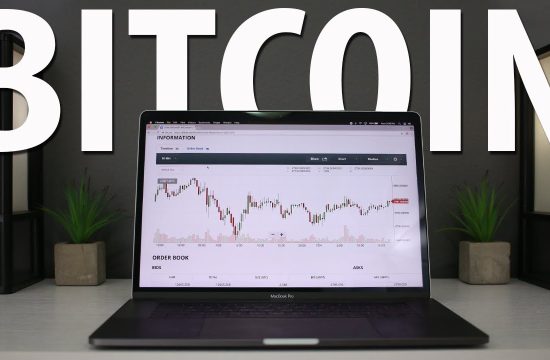
Bitcoin market timing involves strategically entering and exiting positions in the cryptocurrency market to maximize profits. Understanding market trends, price volatility, and external factors can significantly influence investment outcomes.
Investors who excel at market timing often analyze historical price trends, market sentiment, and macroeconomic factors. A common mistake is relying solely on technical indicators while ignoring fundamental factors that can sway market conditions. For instance, news about regulatory changes or technological advancements can greatly impact Bitcoin’s price, making it crucial to stay informed.
Moreover, many investors underestimate the psychological aspects of trading. Emotional decision-making can lead to poor timing, such as panic selling during market dips. Establishing a disciplined approach with clear entry and exit strategies is essential to avoid such pitfalls.

Understanding Bitcoin Market Trends
To effectively time the Bitcoin market, investors must first understand its inherent trends. Bitcoin is known for its volatility, which can create both opportunities and risks. Analyzing price movements over different time frames can provide insights into potential future movements. For example, observing long-term trends versus short-term fluctuations can help in making informed decisions.
Additionally, recognizing broader market cycles, such as bull and bear markets, is crucial. Bull markets are characterized by rising prices and heightened investor confidence, while bear markets feature declining prices and pessimism. Understanding where the market currently stands can aid in determining the right timing for investments.
Investors should also consider external factors that can influence market trends. Economic indicators, geopolitical events, and regulatory news can all affect Bitcoin’s price. Keeping abreast of these developments is vital for making timely investment decisions.
Key Indicators for Timing the Market
Several indicators can assist investors in timing their Bitcoin investments. Technical analysis tools such as moving averages, Relative Strength Index (RSI), and Fibonacci retracement levels can provide insights into potential price movements. For instance, moving averages can help identify trends by smoothing out price fluctuations over a specified period.
Moreover, monitoring trading volume is essential. A surge in volume often precedes significant price movements, indicating increased market activity. Investors should pay attention to these signals, as they can reveal potential entry or exit points.
Alongside technical indicators, sentiment analysis can also play a crucial role. Tools that gauge investor sentiment on social media and forums can provide valuable insights into market psychology. High levels of optimism may indicate a market peak, while widespread fear can suggest a market bottom.
Common Mistakes in Market Timing
Many investors fall victim to common mistakes when attempting to time the Bitcoin market. One prevalent error is trying to time the market perfectly, which is often unrealistic. Instead of seeking the absolute best entry or exit points, investors should focus on a range of prices that align with their investment strategy.
Another frequent mistake is allowing emotions to dictate trading decisions. Fear and greed can lead to impulsive actions, such as panic selling or chasing prices. Establishing a clear investment plan with predefined entry and exit points can help mitigate these emotional responses.
Additionally, neglecting to consider long-term trends can result in poor timing. Short-term fluctuations can be misleading, and investors should maintain a broader perspective when evaluating market conditions.
Psychological Factors in Trading
The psychological aspect of trading plays a significant role in market timing. Many investors struggle with fear of missing out (FOMO) or fear of loss, which can lead to irrational decisions. Acknowledging these psychological factors is essential for successful trading.
To combat emotional decision-making, traders can implement strategies such as setting stop-loss orders or using automated trading systems. These tools can help maintain discipline and reduce the impact of emotions on trading decisions.
Furthermore, understanding personal risk tolerance is crucial. Each investor has a different threshold for risk, and recognizing this can help in developing a tailored trading strategy that aligns with individual comfort levels.
Further Reading
Authoritative Sources
- Investopedia: Bitcoin
investopedia.comComprehensive resource for understanding Bitcoin, including its market dynamics and investment strategies
- CoinDesk: What is Bitcoin?
coindesk.comDetailed exploration of Bitcoin's technology, market behavior, and investment considerations
- Forbes: Bitcoin Investing
forbes.comInsights into Bitcoin investing, including strategies for market timing and risk management
Frequently Asked Questions
What is the best time to invest in Bitcoin?
The best time to invest in Bitcoin depends on market conditions, historical trends, and individual investment goals. Analyzing price patterns and market sentiment can help identify suitable entry points.
How can I improve my Bitcoin market timing?
Improving market timing involves using technical analysis, monitoring market sentiment, and staying informed about external factors that influence Bitcoin’s price. Establishing a disciplined trading strategy is also essential.
What are the risks of trying to time the Bitcoin market?
Risks include emotional decision-making, missing out on gains, and potential losses from market volatility. Attempting to time the market perfectly is often unrealistic and can lead to poor investment outcomes.
Is it better to invest in Bitcoin for the long term or short term?
The choice between long-term and short-term investing depends on individual risk tolerance and investment goals. Long-term investing can mitigate short-term volatility, while short-term trading may capitalize on price fluctuations.
Can market sentiment affect Bitcoin prices?
Yes, market sentiment significantly impacts Bitcoin prices. Positive sentiment can drive prices up, while negative sentiment can lead to declines. Monitoring investor sentiment is crucial for market timing.
Conclusion
In conclusion, mastering Bitcoin market timing requires a blend of analytical skills, emotional discipline, and a deep understanding of market dynamics. Investors should focus on key indicators, avoid common pitfalls, and recognize the psychological factors that can influence trading decisions. By staying informed and developing a clear strategy, investors can enhance their chances of making successful investment decisions in the volatile world of Bitcoin.
Related Content
- Bonk Cryptocurrency Price News Today – Technical Analysis Update! Elliott Wave Price Prediction!
- Best Crypto Decentralised Exchanges 2024 (Top Tips)
- A New Warning For Crypto Investors (Binance Research)
- Venezuelan President Nicolas Maduro Signals Support for Single Currency in Latam, Calls for Crypto Inclusion
- Antifragile: Serhiy Tron Fights To Bring Bitcoin To Ukraine