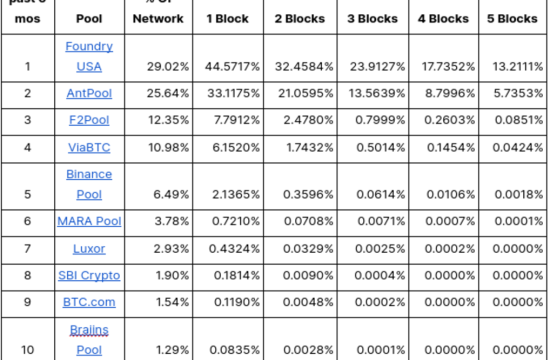
Bitcoin trading for beginners entails navigating the complexities of the cryptocurrency market effectively. It involves selecting the right trading platform, understanding market trends, and employing strategies that minimize risks while maximizing potential returns.
One of the most critical aspects for beginners is to avoid emotional trading. Many new traders make impulsive decisions based on fear or greed, which often leads to losses. Instead, developing a disciplined approach that includes setting clear entry and exit points can help maintain a rational mindset. Additionally, conducting thorough research and utilizing analytical tools can significantly improve trading outcomes.
Another common mistake among beginners is neglecting to understand the volatility of Bitcoin and other cryptocurrencies. This market can experience rapid price fluctuations, making it essential to stay informed about market trends and news that could impact prices. Beginners should prioritize education on market dynamics and consider starting with a demo account to practice trading without financial risk.


Choosing the Right Trading Platform
To start trading Bitcoin, selecting a suitable trading platform is paramount. A good platform should offer user-friendly interfaces, robust security measures, and a variety of trading tools. Popular platforms like Coinbase, Binance, and Kraken cater to beginners with straightforward features that simplify the trading process.
When assessing platforms, consider transaction fees, withdrawal limits, and the range of available cryptocurrencies. Beginners should also look for platforms that provide educational resources, such as tutorials and webinars, to enhance their understanding of trading mechanics. Evaluating user reviews can also help identify platforms that are reliable and user-focused.
Moreover, it’s vital to ensure that the chosen platform complies with regulations in your region to avoid potential legal issues. Researching the security history of the platform can also provide insights into its reliability. Always prioritize platforms that offer two-factor authentication and fund insurance to safeguard your investments.
Understanding Market Analysis
Market analysis is a crucial component of successful Bitcoin trading. Two primary types of analysis are fundamental and technical analysis. Fundamental analysis involves evaluating external factors like market news, regulations, and economic indicators that could affect Bitcoin’s price. In contrast, technical analysis focuses on historical price movements and patterns to predict future price actions.
For beginners, mastering technical analysis can provide an edge in trading decisions. Tools such as candlestick charts, moving averages, and Relative Strength Index (RSI) are invaluable for identifying trends and potential reversal points. Utilizing these tools can help traders make informed decisions based on data rather than speculation.
Additionally, beginners should be aware of the impact of news events on Bitcoin prices. Major announcements regarding regulations or technological advancements can lead to sudden price changes. Staying updated with reliable news sources and economic calendars can help traders anticipate market movements and adjust their strategies accordingly.
Developing a Trading Strategy
A well-defined trading strategy is essential for success in Bitcoin trading. Beginners should start by determining their trading style, whether day trading, swing trading, or long-term investing. Each style has its own risk-reward profile and time commitment, so it’s important to choose one that aligns with your goals and lifestyle.
Setting specific goals, such as profit targets and risk tolerance, will help structure your approach to trading. Implementing stop-loss orders can protect against significant losses and help maintain disciplined trading practices. Furthermore, backtesting strategies using historical data can provide insights into their effectiveness before applying them in real trades.
Moreover, beginners should remain adaptable and willing to refine their strategies as they gain experience. Regularly reviewing trading performance can highlight areas for improvement and help traders adjust their tactics to align with changing market conditions.
Common Pitfalls to Avoid
New traders often fall into several common pitfalls that can hinder their success in Bitcoin trading. One of the most significant is the lack of a trading plan. Without a clear strategy, traders may make impulsive decisions that result in losses. Establishing a well-thought-out plan, including risk management techniques, is essential.
Another frequent mistake is overtrading, which occurs when traders make excessive transactions in a short period, often due to greed or fear of missing out. This can lead to increased transaction fees and emotional fatigue. Setting limits on the number of trades per day can help maintain focus and prevent burnout.
Additionally, neglecting to keep emotions in check can lead to poor decision-making. Traders should cultivate a mindset that prioritizes rational thinking over emotional reactions. Practicing mindfulness and maintaining a balanced perspective can help mitigate the impact of emotions on trading outcomes.
Further Reading
Authoritative Sources
- CoinDesk
coindesk.comProvides comprehensive news and analysis on Bitcoin and the cryptocurrency market, making it a valuable resource for beginners
- Investopedia Cryptocurrency Section
investopedia.comOffers educational articles and guides on Bitcoin trading, covering essential concepts and strategies for beginners
- Binance Academy
binance.comA free educational resource from one of the largest exchanges, offering tutorials and insights into cryptocurrency trading
Frequently Asked Questions
What is Bitcoin trading?
Bitcoin trading involves buying and selling Bitcoin in the market to profit from price fluctuations. Traders can use various strategies to maximize returns.
How can beginners start trading Bitcoin?
Beginners can start by selecting a reliable trading platform, educating themselves on market analysis, and developing a clear trading strategy.
What are the risks of trading Bitcoin?
The risks include market volatility, potential losses from poor trading decisions, and the impact of external factors such as regulatory changes.
Should beginners use leverage in Bitcoin trading?
Beginners should be cautious with leverage as it amplifies both potential gains and losses. It’s advisable to fully understand leverage before using it.
How can I improve my Bitcoin trading skills?
Improving trading skills involves continuous learning, practicing with demo accounts, analyzing trading performance, and staying updated on market trends.
Conclusion
In conclusion, Bitcoin trading for beginners requires a solid understanding of the market, careful selection of trading platforms, and the development of effective strategies. By avoiding common mistakes and staying informed, beginners can enhance their trading experience and increase their chances of success. It’s crucial to remain disciplined, continuously learn, and adapt strategies as needed to navigate the dynamic cryptocurrency landscape effectively.
Related Content
- Coinbase teams up with JPMorgan to enable instant crypto purchases from Chase accounts
- Bitcoin Profit Insights: Key Factors Influencing Your Returns
- KuCoin Tutorial for Beginners 2023 (Trade, Deposit, Withdraw)
- How to Send Crypto From Bitget Wallet to Binance
- Cardano ADA Price News Today – Elliott Wave Technical Analysis and Price Now! Price Prediction!