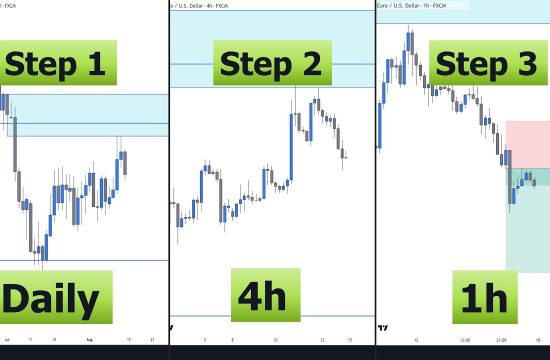
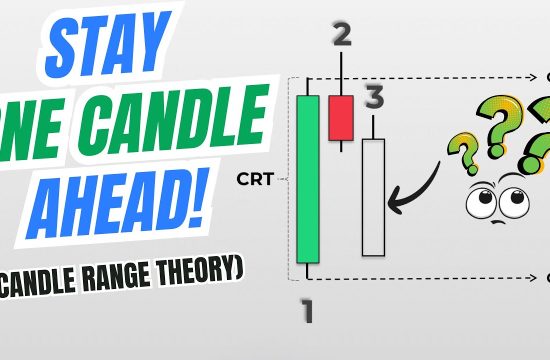
Bitcoin trading patterns refer to the recurring formations in price charts that traders use to predict future movements. Understanding these patterns can help traders make informed decisions, identify entry and exit points, and manage risks effectively.
Recognizing these patterns is crucial for traders aiming to capitalize on market trends. However, misinterpretation of these formations can lead to significant losses. To navigate these challenges, traders should prioritize learning the nuances of each pattern and the market conditions that may affect their reliability.
Additionally, many traders overlook the importance of volume analysis alongside price patterns. Volume can confirm the strength of a pattern and indicate whether a breakout or reversal is likely to occur. Without considering volume, traders may find themselves on the wrong side of a trade.


Common Bitcoin Trading Patterns
Several key patterns are prevalent in bitcoin trading that can guide traders in their decision-making. The head and shoulders pattern is particularly significant as it typically indicates a reversal of trend. This pattern appears as a peak (head) between two smaller peaks (shoulders) and signals a potential shift from bullish to bearish sentiment.
Another common formation is the flag pattern, which suggests a continuation of the current trend after a brief consolidation period. Flags often form after a strong price movement and are characterized by parallel lines. Recognizing these patterns can help traders set targets and stop-loss orders effectively.
Lastly, the triangle pattern, which can be ascending, descending, or symmetrical, is essential for identifying potential breakout points. Traders should note the direction of the breakout, as it often aligns with the preceding trend. Understanding these patterns can significantly enhance trading strategies and improve overall market analysis.
Interpreting Patterns with Volume Analysis
Volume analysis is an integral part of interpreting bitcoin trading patterns. When a price pattern forms, observing the accompanying trading volume can provide critical insights into its validity. For instance, an increase in volume during a breakout from a pattern typically confirms the strength of the move.
Conversely, if a breakout occurs with low volume, it may indicate a lack of conviction among traders, suggesting that the price movement may not sustain itself. Therefore, traders should incorporate volume analysis into their trading strategies to avoid false signals and enhance their decision-making process.
Moreover, understanding the typical volume levels for different patterns can help traders set more accurate expectations for potential price movements. This awareness can allow for better risk management and trade execution.
Mistakes to Avoid in Pattern Recognition
Many traders fall into common traps when recognizing trading patterns, which can lead to costly mistakes. One major pitfall is relying solely on pattern recognition without considering broader market trends or news events that could impact prices. Patterns can fail, especially during high volatility or unexpected market changes.
Another mistake is the overconfidence in a single pattern. Traders should avoid placing all their bets on one formation, as it can lead to significant losses if the pattern fails. Instead, diversifying strategies and employing multiple indicators can provide a more balanced approach to trading.
Additionally, failing to set stop-loss orders can expose traders to substantial risks. Patterns can break down unexpectedly, and having a safety net can help mitigate potential losses. Always prioritize risk management alongside pattern analysis.
Practical Application of Trading Patterns
Implementing bitcoin trading patterns effectively requires a structured approach. First, traders should develop a clear trading plan that incorporates specific entry and exit points based on recognized patterns. This plan should also include risk management strategies, such as stop-loss orders and position sizing.
Moreover, backtesting trading strategies using historical data can help traders understand how well specific patterns have performed in the past. This practice allows for adjustments to be made before applying strategies in real-time trading scenarios.
Finally, staying updated with market news and sentiment can enhance the effectiveness of pattern recognition. Patterns can behave differently in varying market conditions, and being aware of external factors can help traders make more informed decisions.
Further Reading
To deepen your understanding of bitcoin trading patterns, consider exploring authoritative resources that provide extensive insights into technical analysis and trading strategies.
Authoritative Sources
- Investopedia: Trading Patterns
investopedia.comA comprehensive resource explaining various trading patterns, their significance, and how to apply them effectively
- TradingSim: Chart Patterns
tradingsim.comDetailed analysis of chart patterns with examples and practical applications for traders
Frequently Asked Questions
What are the most common bitcoin trading patterns?
The most common bitcoin trading patterns include head and shoulders, flags, and triangles, each indicating potential price movements.
How can I confirm a trading pattern?
Confirm a trading pattern by analyzing accompanying volume; higher volume during a breakout usually indicates strength.
What mistakes should I avoid when trading patterns?
Avoid relying solely on patterns, neglecting market news, and failing to set stop-loss orders to manage risk.
How can I use patterns in my trading strategy?
Incorporate patterns into a structured trading plan that outlines entry and exit points, as well as risk management strategies.
What role does volume play in trading patterns?
Volume can validate or invalidate a pattern; significant volume during a breakout confirms the move’s strength.
Conclusion
Understanding bitcoin trading patterns is an essential skill for traders looking to navigate the cryptocurrency market successfully. By recognizing common patterns, incorporating volume analysis, and avoiding common mistakes, traders can enhance their strategies and improve their chances of success. Prioritize risk management, stay informed about market conditions, and continuously adapt your trading approach to leverage the insights gained from trading patterns effectively.
Related Content
- Crypto.com Tutorial for Beginners (Buy, Sell, Deposit, Withdraw)
- Bitcoin, Ethereum Technical Analysis: ETH Falls Below $1,500 — Market Momentum Remains Bullish
- Crypto Margin Trading: Key Strategies for Effective Risk Management
- Understanding Bitcoin Network Hash Rate Increases
- Game-Changing Subscription Model for Marketing Services Unveiled by Ninjapromo.io