To trade Bitcoin effectively, you need to understand both the technical and market dynamics surrounding this cryptocurrency. Begin by selecting a reputable exchange that fits your trading style and offers the necessary tools for analysis and execution.
Next, it’s crucial to develop a trading strategy tailored to your risk tolerance and investment goals. Many traders often overlook the importance of risk management, which is essential for long-term success. This includes setting stop-loss orders, diversifying your portfolio, and only investing what you can afford to lose. Common pitfalls include overleveraging and emotional trading, which can lead to significant losses.
Additionally, understanding the volatility of Bitcoin is imperative. The market can experience rapid price fluctuations, making it essential to stay informed about news, market sentiment, and regulatory changes. Many traders fail to adapt to these shifts, resulting in missed opportunities or unexpected losses. Prioritize continuous learning and adaptability in your trading approach.
Choosing the Right Exchange
The first step in trading Bitcoin is selecting a reliable exchange. This platform will serve as your gateway to the cryptocurrency market. Look for exchanges with a solid reputation, user-friendly interfaces, and robust security measures. Factors such as trading fees, available cryptocurrencies, and customer support should also influence your choice.
Some exchanges offer advanced trading features like margin trading, futures, and options, which can enhance your trading experience. However, these features come with increased risk and complexity. Make sure to understand how these tools work before diving in.
Additionally, consider the liquidity of the exchange. Higher liquidity often means faster transactions and better price stability. A common mistake is choosing an exchange based solely on low fees without considering other critical factors.
Understanding Market Analysis
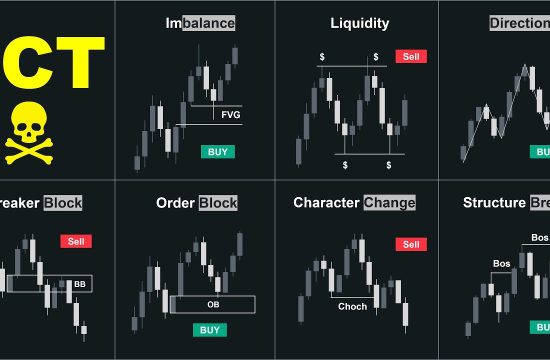
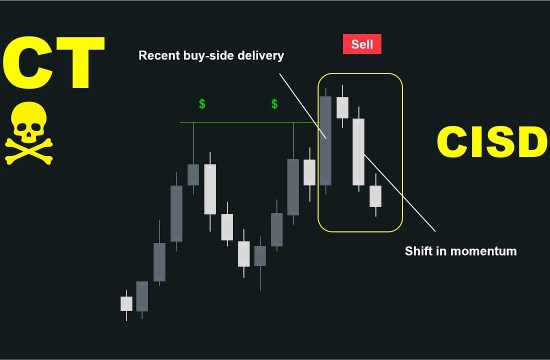
Market analysis is vital for making informed trading decisions. This involves both technical analysis, which uses historical price data and chart patterns, and fundamental analysis, which evaluates external factors like news events and economic indicators. Understanding how to perform these analyses can significantly enhance your trading strategy.
Many traders rely on technical indicators such as moving averages, RSI, and MACD to predict price movements. However, it’s essential to avoid overcomplicating your strategy with too many indicators. Focus on a few that you understand well and can interpret effectively.
Moreover, stay updated with the latest news in the cryptocurrency space, as market sentiment can shift rapidly based on external events. Ignoring this aspect can lead to missed opportunities or losses.
Implementing Risk Management
Risk management is a crucial aspect of successful trading. Establishing a clear plan for how much capital you are willing to risk on each trade is essential. Many traders recommend risking no more than 1-2% of your total capital on a single trade.
Utilize tools such as stop-loss orders to limit potential losses. This automated feature can help you exit a position if the market moves against you, preventing emotional decision-making during volatile periods. Remember that even the most experienced traders face losses; the key is to manage them effectively.
Another common mistake is neglecting to diversify your investments. Concentrating too much capital in Bitcoin or any single asset can increase your risk exposure. Consider spreading your investments across different cryptocurrencies or asset classes to mitigate risk.
Recognizing Trading Trends
Recognizing trading trends is essential for timing your entries and exits effectively. Trends can be upward (bullish), downward (bearish), or sideways, and understanding these movements can help you make better trading decisions.
Utilize trendlines and chart patterns to identify potential reversals or continuations. However, be cautious of false breakouts, which can mislead traders. It’s essential to confirm trends with volume analysis or other indicators before acting on them.
Additionally, many traders forget to account for market sentiment, which can significantly impact price movements. Pay attention to social media and community discussions to gauge the overall mood in the market.
Further Reading
For those looking to deepen their understanding of Bitcoin trading, consider exploring the following resources:
Authoritative Sources
- Investopedia
investopedia.comA comprehensive resource for financial education, including cryptocurrency trading strategies and market analysis
Frequently Asked Questions
What is the best exchange for trading Bitcoin?
The best exchange depends on your needs, but reputable options include Coinbase, Binance, and Kraken for their security and user-friendly interfaces.
How do I start trading Bitcoin?
Begin by selecting an exchange, creating an account, and funding it. Then, familiarize yourself with trading tools and strategies before making your first trade.
What are common mistakes in Bitcoin trading?
Common mistakes include emotional trading, neglecting risk management, and failing to perform adequate market analysis.
How much capital do I need to start trading Bitcoin?
You can start trading Bitcoin with as little as $10, but it’s advisable to invest an amount you can afford to lose while learning the market.
How can I improve my trading skills?
Improve your trading skills by continuously learning through courses, reading market analyses, and practicing with a demo account.
Conclusion
In conclusion, trading Bitcoin requires a combination of knowledge, strategy, and discipline. Focus on selecting the right exchange, understanding market analysis, and implementing effective risk management practices. Recognize trading trends and adapt to market changes to improve your chances of success. By prioritizing these elements, you can navigate the complexities of Bitcoin trading with greater confidence and skill.
Related Content
- Bitcoin Price Watch: Bearish Momentum Builds Despite Holding $100K Line
- Secrets to Succeeding in Bitcoin Trading
- Unofficial World Record Set For Highest Amount of P2P Bitcoin Lightning Transactions Paid In 3 Minutes
- The Ultimate Guide to 10 Effective Bitcoin Trading Volume Tips for 2025
- Bitcoin Trading for Beginners: Essential Steps for Navigating the Market