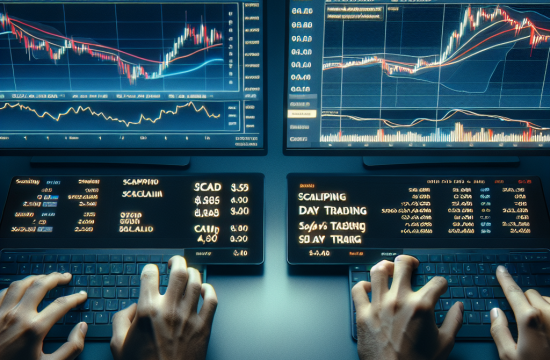
Bitcoin market timing is a critical strategy that investors use to determine the most advantageous moments for buying or selling Bitcoin. This involves analyzing various market signals, trends, and indicators to make informed decisions that can lead to maximum profit potential.
Investors often prioritize several factors when timing their market entries and exits. These include price volatility, market sentiment, and external economic events that can impact Bitcoin’s value. A common mistake is to rely solely on emotional reactions or sensational news without conducting thorough analysis. Instead, a strategic approach that integrates technical analysis and fundamental insights can significantly enhance the effectiveness of market timing.
Another key consideration is the cyclical nature of Bitcoin’s market. Many investors overlook the importance of understanding market cycles, which can lead to poor timing decisions. For instance, entering the market during a bearish phase without recognizing potential recovery signals can result in losses. Conversely, selling during a bullish trend due to fear of a market correction may lead to missed opportunities. Therefore, it is essential to develop a timing strategy that aligns with both market conditions and individual investment objectives.

Understanding Market Cycles
Understanding market cycles is fundamental to effective Bitcoin market timing. These cycles typically consist of accumulation, uptrend, distribution, and downtrend phases. Recognizing which phase the market is currently in can guide investors on when to enter or exit positions. For example, entering during the accumulation phase, when prices are generally low, can lead to substantial gains during subsequent uptrends.
Many investors fail to identify these cycles accurately, often leading to premature buying or selling. Monitoring key indicators such as Bitcoin’s price trends and trading volumes can provide insights into the current cycle. Additionally, historical data analysis can reveal patterns that may repeat, offering a clearer perspective on future market behavior.
Investors should also consider external factors that can influence these cycles, such as regulatory news, technological advancements, and macroeconomic trends. Being aware of these elements can enhance an investor’s ability to time the market effectively.
Technical Analysis Tools
Utilizing technical analysis tools is essential for effective Bitcoin market timing. Tools such as moving averages, Relative Strength Index (RSI), and Fibonacci retracement levels can help investors gauge market momentum and potential reversal points. For instance, a moving average crossover can signal a potential buying opportunity when the short-term average crosses above the long-term average.
However, relying solely on one indicator can be misleading. A more robust approach involves combining multiple indicators to confirm signals and reduce the likelihood of false positives. For example, if a moving average indicates a bullish trend while the RSI suggests overbought conditions, this could serve as a warning sign to reconsider entering a position at that moment.
Investors should also remain adaptable, as market conditions can change rapidly. Regularly reviewing technical indicators and adjusting strategies accordingly can help maintain a successful market timing approach.
Common Timing Mistakes
Common mistakes in Bitcoin market timing often stem from emotional decision-making and a lack of comprehensive analysis. Many investors buy during euphoric market peaks, driven by fear of missing out (FOMO), or sell during panic-induced dips, leading to significant losses. Recognizing these emotional triggers is crucial for making rational investment decisions.
Another frequent error is neglecting to set clear entry and exit points. Without a defined strategy, investors may hesitate to act or make impulsive decisions based on short-term market fluctuations. Establishing a plan that includes specific price targets and risk management strategies can help mitigate these pitfalls.
Additionally, investors should be wary of following market trends blindly. Just because a particular strategy works for others does not guarantee its success. Each investor’s circumstances, risk tolerance, and financial goals differ, requiring tailored strategies that reflect individual needs.
Psychological Factors in Market Timing
The psychological aspect of market timing plays a significant role in investment success. Fear and greed can heavily influence decision-making, often leading to irrational choices. For instance, during a bull market, the fear of missing out can drive investors to buy at inflated prices, while during downturns, panic selling can result in locking in losses.
Developing a disciplined investment mindset is key to overcoming these psychological barriers. Investors should focus on their long-term goals rather than short-term volatility. Practicing patience and adhering to a well-defined strategy can help maintain emotional stability during market fluctuations.
Moreover, educating oneself about market psychology can provide valuable insights into common behavioral biases that may affect investment decisions. Understanding these biases can empower investors to make more informed choices and improve their overall market timing strategy.
Further Reading
Authoritative Sources
- Market Timing Explained
investopedia.comThis resource provides a comprehensive overview of market timing strategies and their implications for investors
- Understanding Bitcoin
coindesk.comA detailed guide on Bitcoin, including its market dynamics and factors influencing price movements
- Technical Analysis for Beginners
forbes.comThis article explains the basics of technical analysis and how it can be applied to Bitcoin trading
Frequently Asked Questions
What is the best time to buy Bitcoin?
The best time to buy Bitcoin typically aligns with market accumulation phases when prices are lower and sentiment is more subdued.
How can I effectively time my Bitcoin trades?
Utilizing technical analysis tools, understanding market cycles, and setting clear entry and exit points can enhance your timing strategy.
What are the risks of poor market timing?
Poor market timing can lead to significant financial losses, especially if buying during peaks or selling during troughs without proper analysis.
How does market psychology affect trading decisions?
Market psychology can lead to emotional decision-making, causing investors to act based on fear or greed rather than rational analysis.
Should I follow trading trends?
While following trends can provide insights, relying solely on them without personal analysis can result in missed opportunities or losses.
Related Content
- FTX Collapse Has Rekindled Security and Reliability Concerns for Web3 Projects Says Marketing Expert
- Bitcoin Exchange Trading: Essential Steps for Successful Transactions
- Senator Ted Cruz Is Bringing Bitcoin To The Capitol With Vending Machines
- How to TRADE Crypto (FAST as a Complete Beginner!)
- Bitcoin Liquidity Trading: Key Techniques for Optimizing Market Entry and Exit