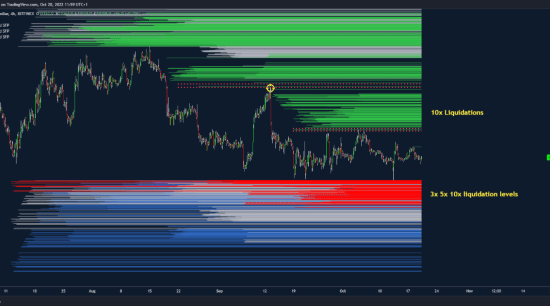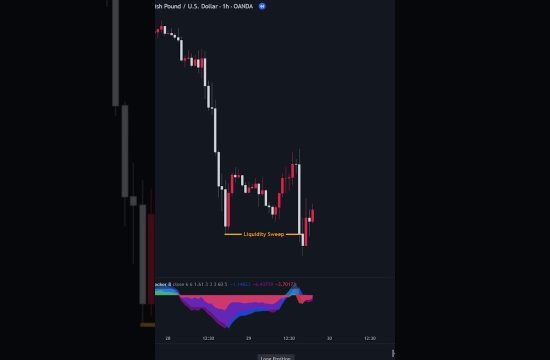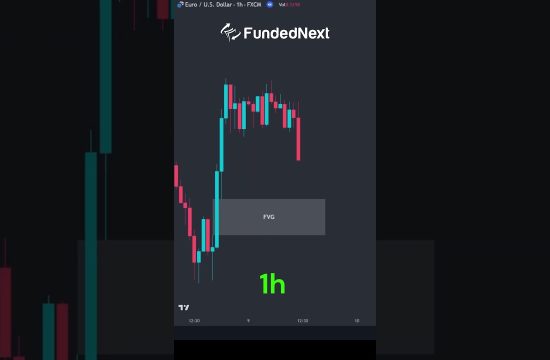
Crypto technical analysis involves utilizing historical price data and various indicators to forecast future price movements of cryptocurrencies. This approach is crucial for traders who want to make informed decisions in a market characterized by volatility and rapid changes.
One of the primary benefits of crypto technical analysis is its ability to provide insights into market psychology. By understanding how other traders are likely to react to price movements, you can position yourself advantageously. However, it’s essential to recognize that technical analysis is not foolproof. Mistakes often arise from over-reliance on indicators without considering broader market contexts or fundamental factors that may impact price.
Moreover, a common pitfall in crypto technical analysis is the tendency to chase after trends without a solid plan. Traders may become overly influenced by short-term price spikes and fail to adhere to their trading strategies. Therefore, it’s crucial to prioritize discipline and a well-defined risk management strategy when engaging in technical analysis.


Understanding Key Indicators
Key indicators in crypto technical analysis include moving averages, Relative Strength Index (RSI), and Bollinger Bands. These tools help traders identify trends and determine potential price reversals. Moving averages smooth out price data to highlight the direction of the trend. For example, a simple moving average (SMA) can indicate whether the market is bullish or bearish based on its position relative to the current price.
Using these indicators effectively requires understanding their strengths and weaknesses. For instance, while moving averages can confirm trends, they lag behind price movements, which may lead to delayed decisions. Traders should combine multiple indicators to enhance the accuracy of their analysis and avoid relying on a single signal.
It’s also important to consider the context in which these indicators are applied. Market conditions can change rapidly, and what worked in a previous trend may not apply to future movements. Always stay updated with market developments and adjust your indicators accordingly.
Chart Patterns and Their Significance
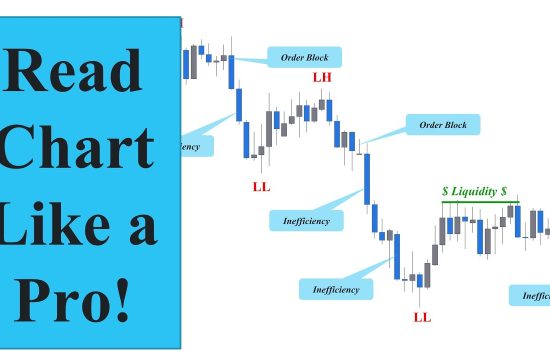
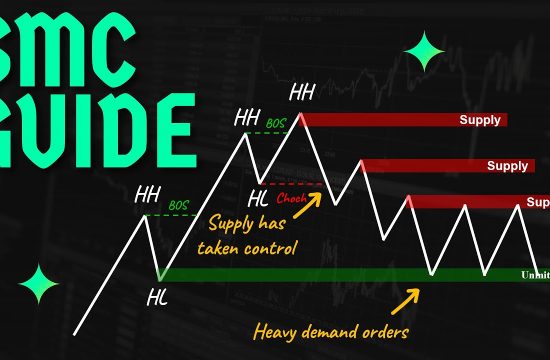
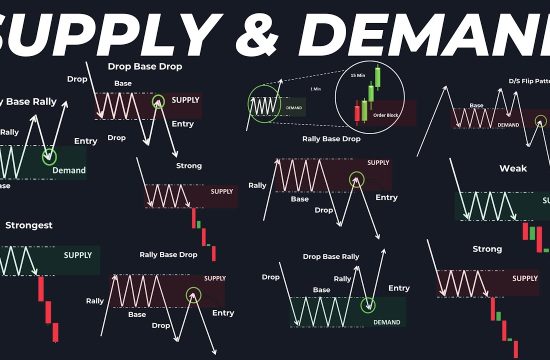
Chart patterns play a crucial role in technical analysis by providing visual representations of market behavior. Patterns such as head and shoulders, double tops, and triangles can indicate potential price movements. Recognizing these patterns allows traders to anticipate market shifts and make informed trading decisions.
However, it’s vital to confirm patterns with other indicators before acting on them. For instance, a head and shoulders pattern signaling a reversal should be validated with volume changes or momentum indicators to avoid false signals. Additionally, traders should be aware of the time frame they are analyzing, as patterns can appear differently across various time scales.
Understanding the psychology behind these patterns can also improve trading outcomes. For example, a double top pattern often indicates that buyers are losing momentum, leading to a potential sell-off. Recognizing these shifts in market sentiment can help traders position themselves more effectively.
Risk Management Strategies
Effective risk management is essential for successful crypto trading. Strategies such as setting stop-loss orders, determining position sizes, and diversifying assets can help mitigate potential losses. Stop-loss orders automatically close positions at predetermined levels, limiting losses in volatile markets.
Determining the right position size is another critical component of risk management. Traders should assess their risk tolerance and the overall volatility of the cryptocurrency they are trading. A common approach is to risk only a small percentage of the trading capital on any single trade, which helps preserve capital over the long term.
Additionally, diversifying your portfolio can reduce risk by spreading exposure across different cryptocurrencies. However, it’s essential to maintain a balance between diversification and concentration to avoid excessive exposure to underperforming assets.
Common Mistakes in Technical Analysis
Many traders fall into common traps when conducting technical analysis, leading to poor trading outcomes. One prevalent mistake is overcomplicating analysis with too many indicators, which can create confusion and lead to indecision. Instead, focus on a few key indicators that align with your trading strategy.
Another mistake is failing to adapt to changing market conditions. Relying solely on historical data can result in missed opportunities or significant losses. Traders should remain flexible and adjust their strategies as new information becomes available.
Emotional trading is also a significant pitfall. Allowing emotions to dictate trading decisions can lead to impulsive actions and straying from a well-defined plan. Maintaining discipline and sticking to your strategy is crucial for long-term success in crypto trading.
Further Reading
Authoritative Sources
- Investopedia
investopedia.comClear explanations of investing, finance, markets, and personal money decisions.
- SEC Investor Resources
sec.govOfficial investor education and securities-related guidance from the U.S. Securities and Exchange Commission.
- Internal Revenue Service
irs.govOfficial tax guidance, forms, and compliance information.
- Consumer Financial Protection Bureau
consumerfinance.govConsumer guidance on credit, debt, lending, and financial products.
- U.S. Small Business Administration
sba.govBusiness planning, funding, and operational guidance for small businesses.
Frequently Asked Questions
What is crypto technical analysis?
Crypto technical analysis is the study of historical price data and indicators to forecast future price movements in cryptocurrencies.
How do I start using technical analysis in crypto trading?
Begin by learning key indicators and chart patterns, then practice analyzing price charts to identify trends and potential entry points.
What are the best indicators for crypto trading?
Popular indicators include moving averages, RSI, MACD, and Bollinger Bands, each serving different purposes in analysis.
How important is risk management in crypto trading?
Risk management is crucial to protect your capital and minimize losses, ensuring long-term sustainability in trading.
What are common mistakes to avoid in technical analysis?
Common mistakes include overcomplicating analysis, failing to adapt to market changes, and allowing emotions to drive trading decisions.
Conclusion
In summary, crypto technical analysis is a powerful tool for traders seeking to navigate the volatility of the cryptocurrency market. By understanding key indicators, chart patterns, and effective risk management strategies, traders can make informed decisions and enhance their trading outcomes. It’s essential to remain disciplined, adaptable, and aware of common pitfalls to succeed in this dynamic environment. Start by applying these principles in your trading approach to maximize your potential for success.
Related Content
- Court Ruling in Favor of Grayscale Clears Path for Bitcoin Innovation in US: Vivek Ramaswamy
- LBank’s $PINS IEO Ends with 51,556,343 USDT in Investments, PINs Network (PINS) will be listed in the LBank Innovation Zone
- Bitcoin, Ethereum Technical Analysis: BTC Starts Weekend Trading Close to $25,000
- What Is The Lightning HTTP 402 Protocol, And Why Is It Important?
- The Fed Meeting Today Will Send Bitcoin Into Madness | Lyn Alden